Ushuaia sits 3,000 kilometres south of Buenos Aires, on the far side of a strait, at the point where the Andes finally run into the sea. Getting there is a flight, not a drive, and that single fact decides almost everything about how a trip here should be built. These are the packages we put together, and below them, the honest answer to how long you need and what it should be combined with.
Flights, hotels, airport transfers and the excursions you choose, quoted as one price. Every one of these is built to order around your dates — the descriptions are the starting point, not the ceiling.
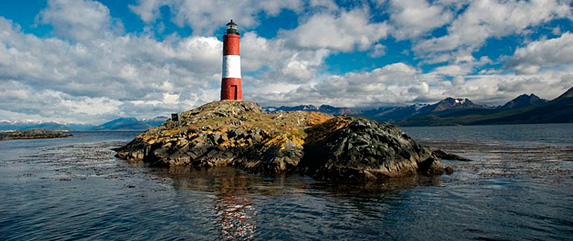
The classic first visit: the national park with the End of the World Train, a Beagle Channel navigation, and a day with room in it for the weather. Flights from Buenos Aires, hotel and transfers included.
More ›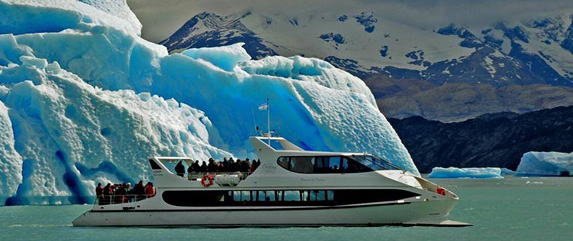
The Patagonian pairing almost everyone ends up choosing. The end of the world and then the Perito Moreno glacier, in one itinerary, with the internal flights sequenced so you never backtrack.
More ›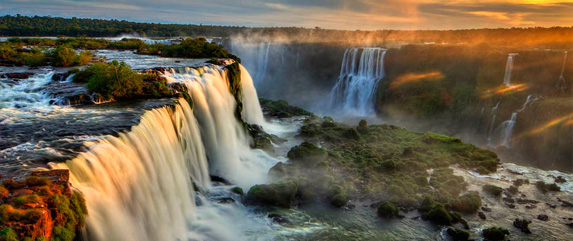
Buenos Aires, the Iguazú Falls and Patagonia in a single route, finishing at the southern end of the continent. For travellers coming a long way who intend to see the country, not a corner of it.
More ›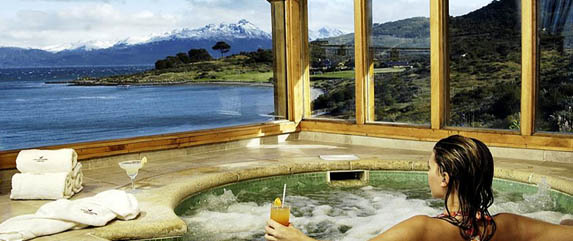
A five-star resort and spa on the water outside town, for travellers who would rather come back each evening to something quiet with a view than to the centre of Ushuaia.
More ›Ushuaia is the southernmost port in the world with regular passenger departures, and for a certain kind of traveller that is the whole reason to be here. Both of these are handled through our cruise division.
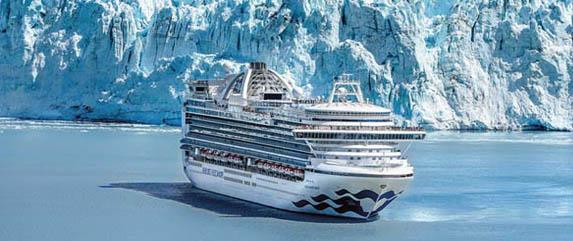
Voyages to the Antarctic Peninsula, most of them departing from Buenos Aires or from Ushuaia itself. Ships, dates and cabins change constantly, so ask us for what is actually open on your dates.
More ›
Sailing the fjords and glaciers of the far south, including the crossings between Argentina and Chile. A different way of seeing the same coastline the day trips only touch.
More ›How the season works, when the ships sail, what the crossing is actually like, and what to expect before you commit to a voyage.
More ›Whatever route you choose, these three come up in every single conversation we have about Ushuaia.
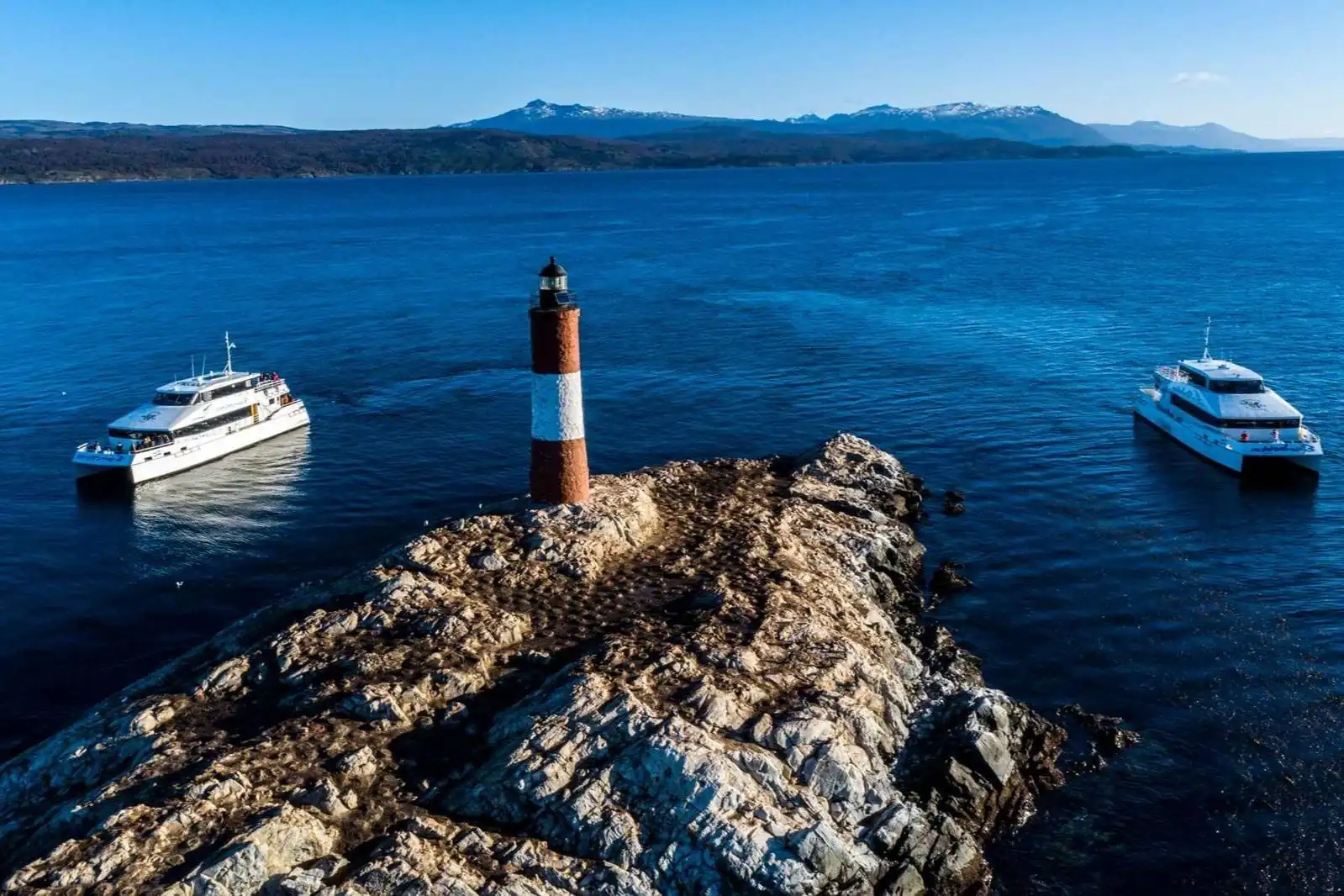
The most useful page on this site if you are choosing what to do. All nine excursions we run, compared side by side — including a table that settles the one question everybody gets stuck on: which of the three Beagle Channel navigations is yours.
More ›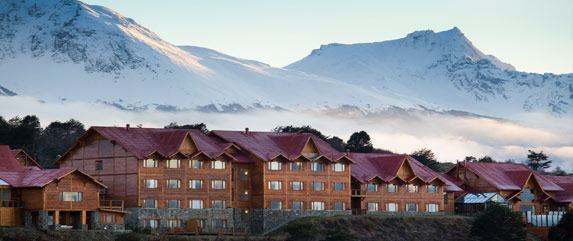
The hotels we work with, from the centre of town to the shore of the channel. In January and February the good ones go early, which is the single most common reason a trip gets rearranged.
More ›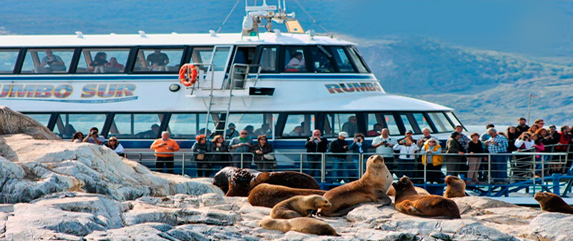
Where everything actually is: the town, the port, the national park, the Beagle Channel and the road east. Worth two minutes before you decide how many days you need.
More ›In twenty years we have arranged very few holidays that consisted only of Ushuaia. It happens — usually somebody boarding an Antarctic ship, or an Argentine with a long weekend — but for a traveller coming from Europe, North America or Asia, flying that far to spend a week in a town of eighty thousand people is a hard case to make. Ushuaia is a leg. A very good one, often the one people talk about afterwards, but a leg.
So the real question is never how long in Ushuaia. It is what goes on either side of it, and the answer is decided by the domestic flight map rather than by the geography. Ushuaia connects directly to Buenos Aires and to El Calafate, and that is essentially it. Everything else routes through Buenos Aires, which means an itinerary that ignores the flight map can quietly cost you two days and several hundred dollars in avoidable airfare, without anything appearing to go wrong.
The pairing that works best, by a distance, is Ushuaia with El Calafate. They are both Patagonia and they could not be less alike: one is a channel between mountains with a forest running down to the water, the other is dry steppe with an advancing wall of ice at the end of it. Add Buenos Aires at the start or the end — you will pass through it anyway — and you have a ten-day trip that feels like three separate countries.
The second decision is the season, and it matters more here than almost anywhere else in Argentina. The same town gives you penguins, nine o'clock sunlight and open navigations between November and March, or snow, huskies and empty streets between late June and September. Neither is better. But arriving in August expecting penguins is a disappointment we have watched happen, and it is entirely avoidable with one conversation beforehand.
That conversation is, in practice, what an agency is for down here. Not the booking — anyone can book. It is knowing that the boats are the first thing cancelled when the wind gets up, that the good hotels in January go months in advance, that two of the excursions show you the same coastline, and that a Tuesday lost to weather is recoverable if somebody local is holding the whole itinerary and can move the pieces. That is the part we sell.
Free written quotation within 24 hours, with no obligation. Send us when you are travelling, how many of you there are, and how much time you have in Argentina — we will come back with a route, not a brochure, and we will tell you if what you are asking for does not fit.
Ushuaia is almost always one leg of a longer route. These are the ones it pairs with most often.
The other end of Argentine Patagonia: the Perito Moreno glacier, El Chaltén and the steppe.
See Patagonia toursThe opposite extreme of the country, and the most common thing travellers pair with Patagonia.
See Iguazú toursThe twelve itineraries travellers actually book most often, several of them with Ushuaia inside.
See all itineraries