North of Salta the road climbs into a valley where the mountains are striped red, green, violet and ochre, and where people have lived for ten thousand years. Purmamarca and its Hill of Seven Colours, the pre-Inca fortress at Tilcara, a chapel full of angels carrying muskets, and the town of Humahuaca at the top. A UNESCO World Heritage valley, in one long day from your hotel.
The Quebrada de Humahuaca is a valley about 150 kilometres long, cut by the Rio Grande through the mountains of Jujuy, Argentina’s northernmost province. It was a trade route for the peoples of the Andes long before the Incas, then the road between Buenos Aires and the silver of Potosi, and in 2003 UNESCO listed the whole valley as a World Heritage cultural landscape. The colours in the rock are real, and they are everywhere.
The day starts early from your hotel in Salta, with a guide, and goes north past the city of Jujuy into the valley, stopping village by village on the way up to Humahuaca and again on the way back. It can run as a regular service or as a private one, with the vehicle and the guide for your group alone.
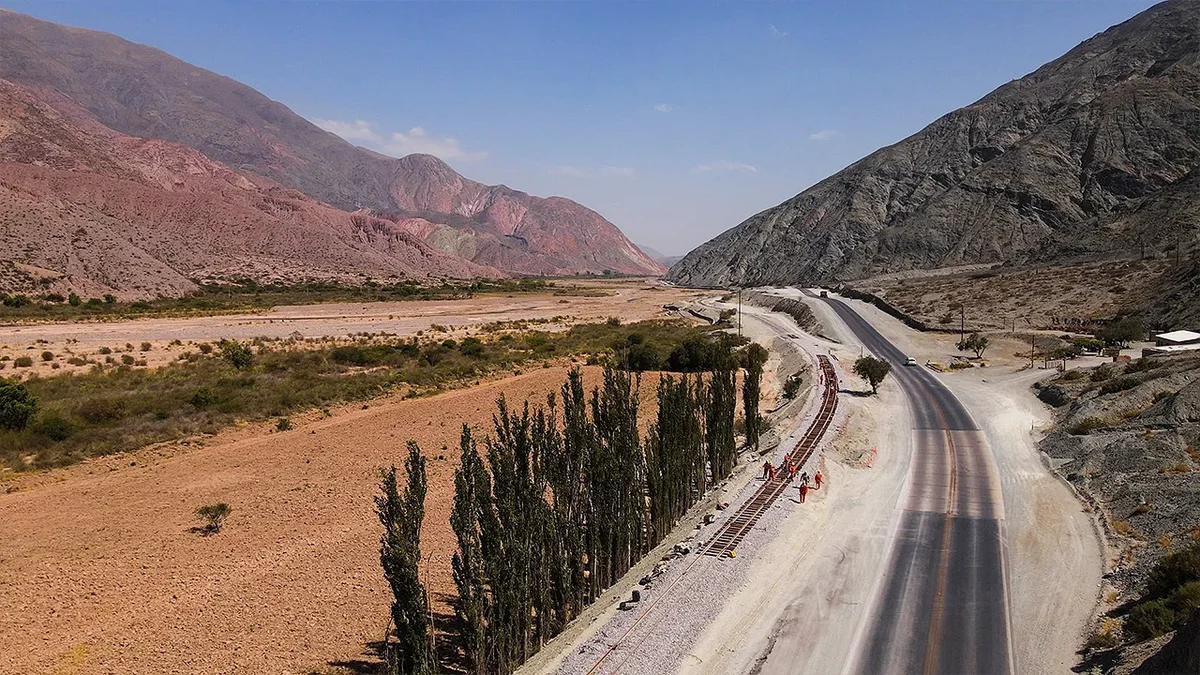
Out of Salta early, past the city of Jujuy, and the road begins to climb. The valley narrows, the trees give way to cardon cacti, and the mountains start to show their colours.
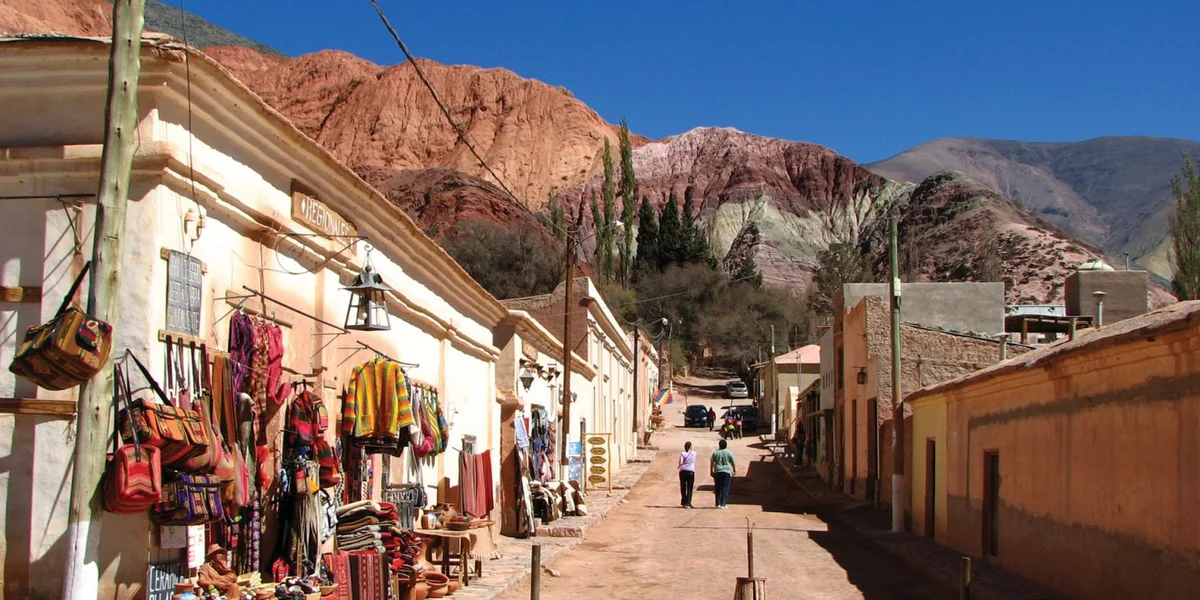
A village of adobe houses, a square full of textiles and crafts, a seventeenth-century church, and above it the hill whose bands of colour made the valley famous. Morning light is best here, which is why the tour reaches it first.
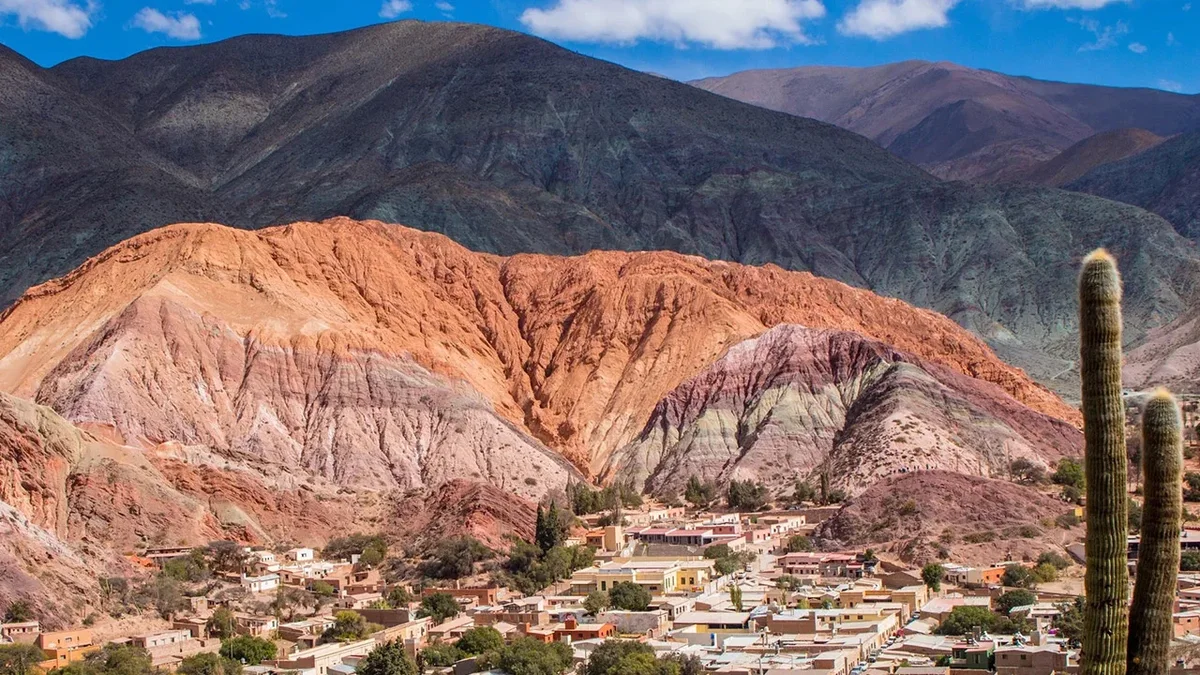
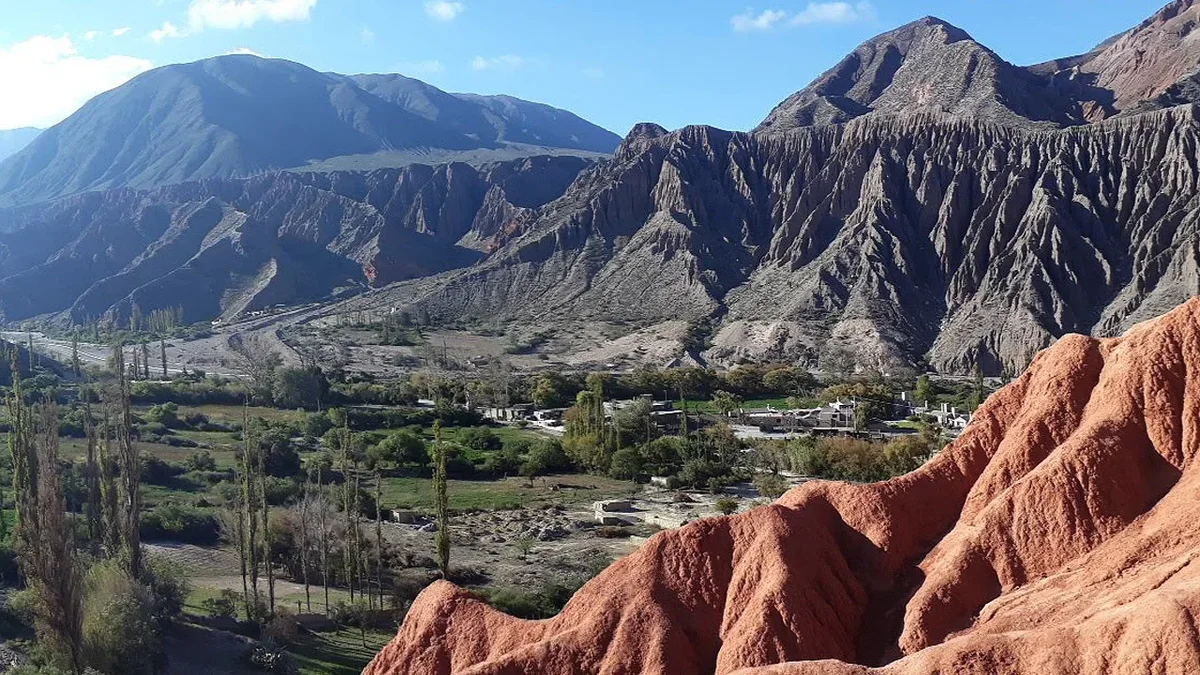
Further up, the hillside behind the village of Maimara is striped like a palette of paint, with the green of the poplars and the farms below it. A stop for the view and the photograph.
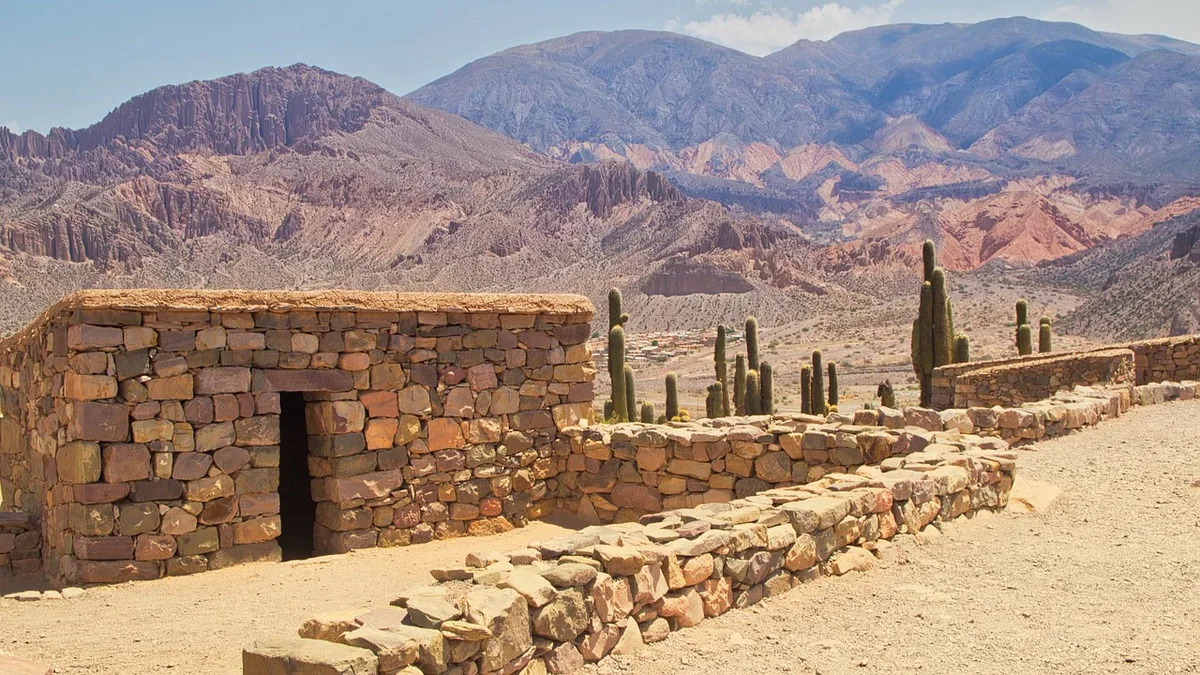
On a hill above Tilcara stand the rebuilt stone houses of a fortified town that was here centuries before the Incas, with cardon cacti growing between the walls and the whole valley spread out below.
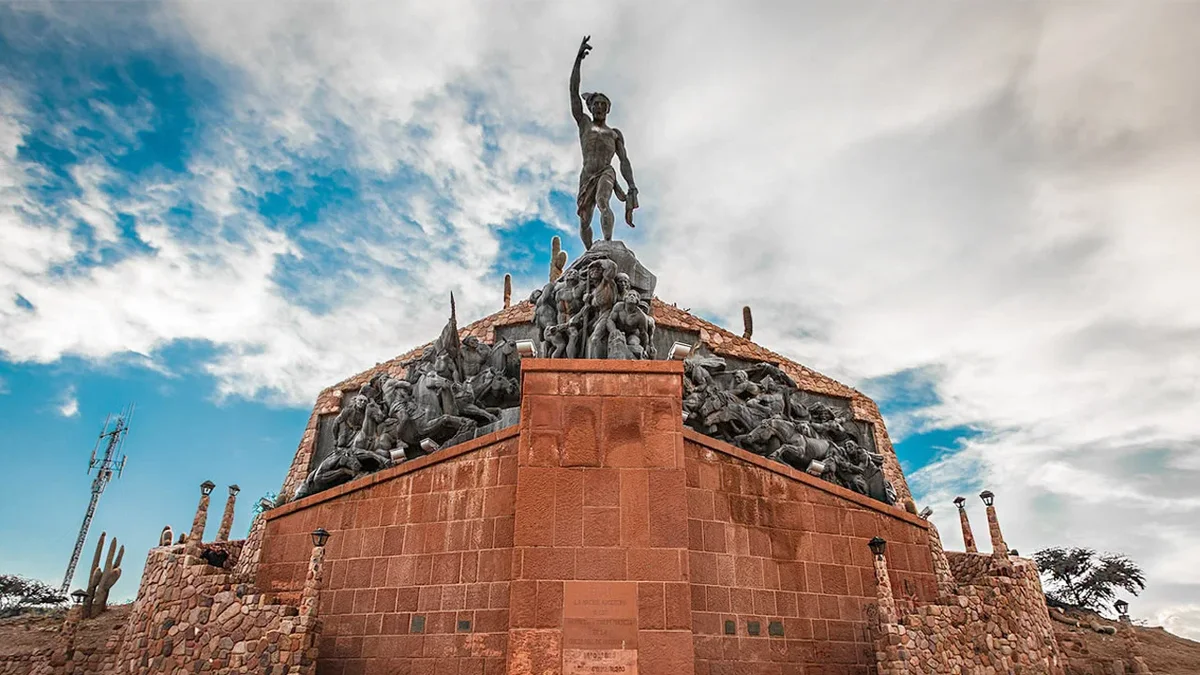
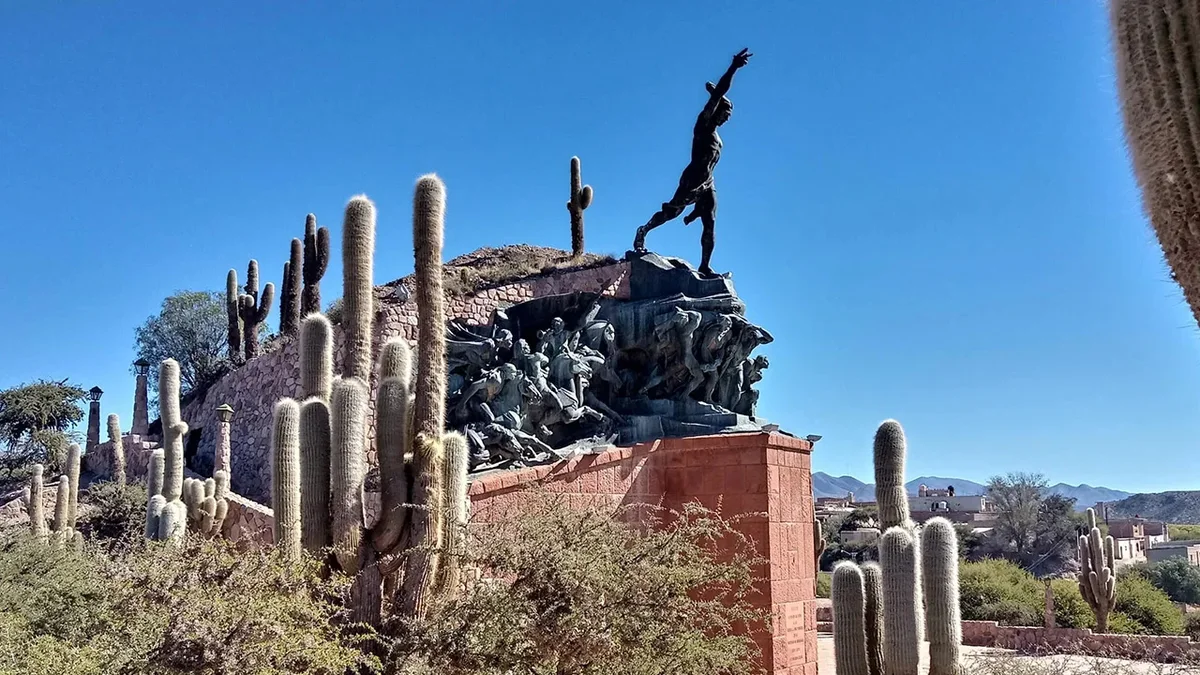
The small church at Uquia keeps the paintings of the angels with muskets, the Angeles Arcabuceros, painted in the colonial Andes. Then Humahuaca, the largest town in the valley, with its narrow streets, its church and the great monument to the heroes of independence above the square. Free time here for lunch, and the road back to Salta with the afternoon light on the mountains, stopping at the Tropic of Capricorn marker on the way.
Humahuaca is at almost three thousand metres, higher than anywhere in Salta city, and the air is thin and dry. Most people feel nothing more than a little breathlessness on stairs; walk slowly, drink water, go easy on lunch and wine, and tell your guide if you feel unwell. If you have a heart or lung condition, ask your doctor before booking a day at altitude.
The sun at this altitude is strong at any time of year and the mornings are cold: a hat, sunglasses, sun cream and layers you can take off by midday. Bring cash in small notes for the craft markets, where cards are rarely accepted.
No. It is a day we add to your Salta package if you decide to stay a little longer. 01Argentina arranges the whole trip — flights, hotel, transfers and the days you choose — and this is one of the days you can choose. When you write, we send you the detail of the day for your dates.
It can be. The day runs as a regular service or as a private one, with the vehicle and the guide for your group alone, so you set the pace and stay longer where you like. Tell us when you write and we quote it either way.
Yes. The day is guided in English.
Long. The pick-up is early in the morning and you are back in Salta in the evening: it is around 450 kilometres there and back, with stops all the way. It is a day in the vehicle with short walks at each village, not a hike.
The Salta & Jujuy package already includes a day to Salinas Grandes and Purmamarca. This day goes the other way at Purmamarca: up the valley instead of over the pass to the salt flats, to Tilcara, Uquia and Humahuaca. The two days share only Purmamarca, and most travellers who have the time do both.
All year. The dry season, April to November, has the clearest skies and the best colour on the mountains; summer brings afternoon rain and occasionally a closed road after a storm. July and the Carnival week in February or March are the busiest times in the valley.
Tell us when you are travelling and how many days you have in Salta, and we will come back within 24 hours with the whole trip laid out — this day included if it fits.

Flights, hotel, transfers, the city tour, Salinas Grandes and Cafayate, quoted as one price.
More ›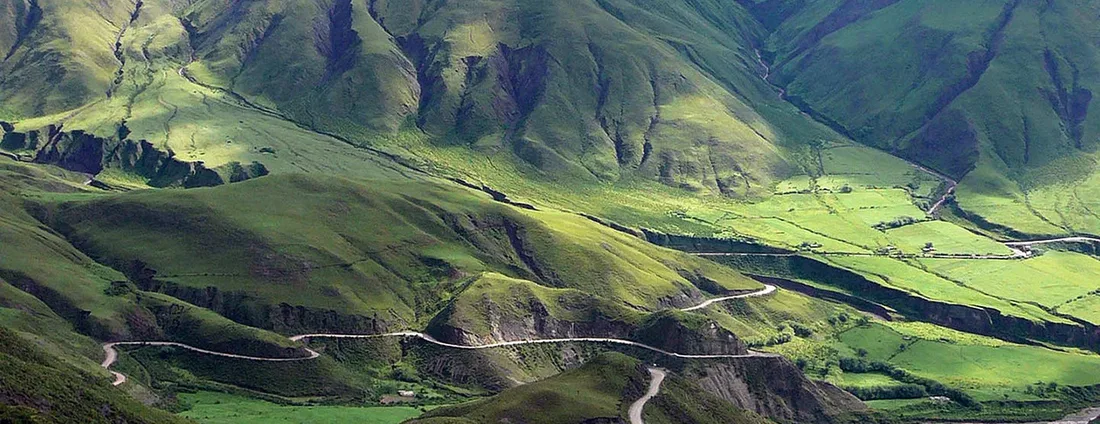
Over the pass at 3,348 m, through Los Cardones, to a white colonial village.
More ›
Five folk music houses in one evening, with a dance lesson, empanadas, wine and dinner.
More ›