Montevideo has its own music, and it is not only tango: it is candombe, the drums the Afro-Uruguayan neighbourhoods have played since the days of the colony, and the folklore of the countryside. El Milongon puts all of it on one stage, with tango and milonga too, in a dinner show that has been running for decades. We take you there from your hotel, dinner and wine are included, and we bring you back when the last drum stops.
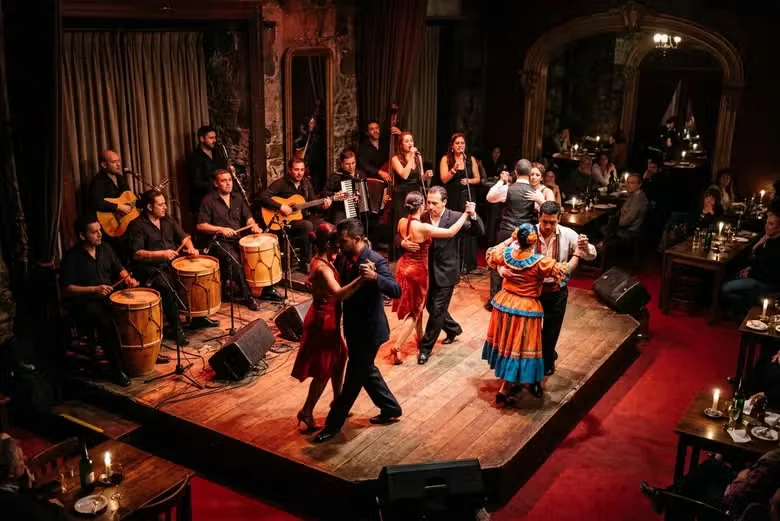
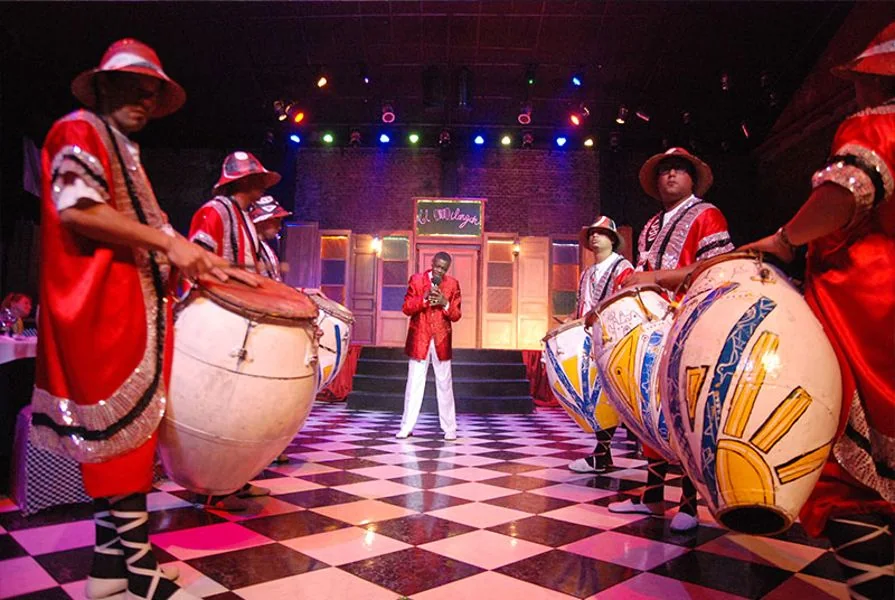
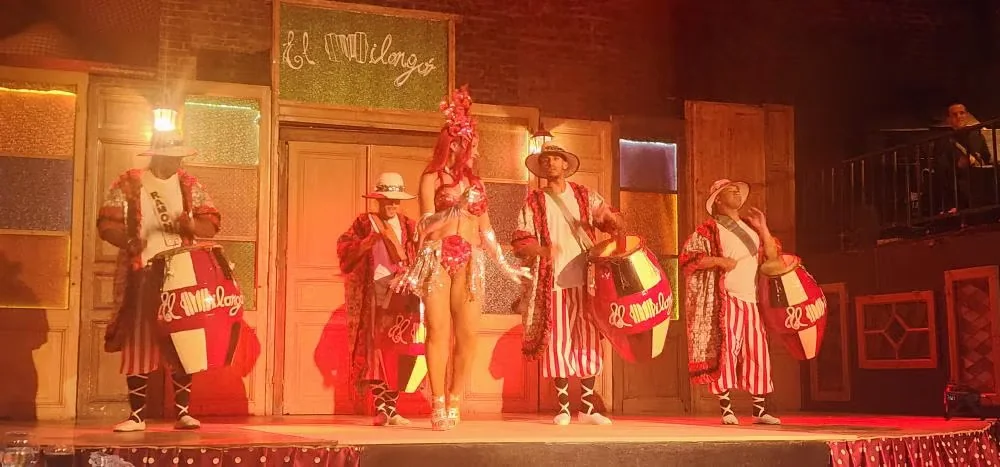
El Milongon is a house of Uruguayan music in the old quarter of the city: a dining room with a stage, where the night opens with a welcome drink and dinner and goes on to a show in several acts, from the gaucho folklore of the interior to the tango and milonga of the Rio de la Plata, and ends with the candombe drums, the sound of Montevideo's Carnival, which is the part nobody expects and everybody remembers.
We collect you at your hotel in the evening, in a regular service or a private one, and bring you back after the show. The show runs on most nights of the week; we confirm the night for your dates when we build your trip.
We collect you at your hotel in the early evening and take you to El Milongon, in time to be seated, have the welcome drink and order dinner before the lights go down.
A three-course dinner at your table — starter, main course of your choice, dessert — with wine, soft drinks and water, served before and during the first part of the show.
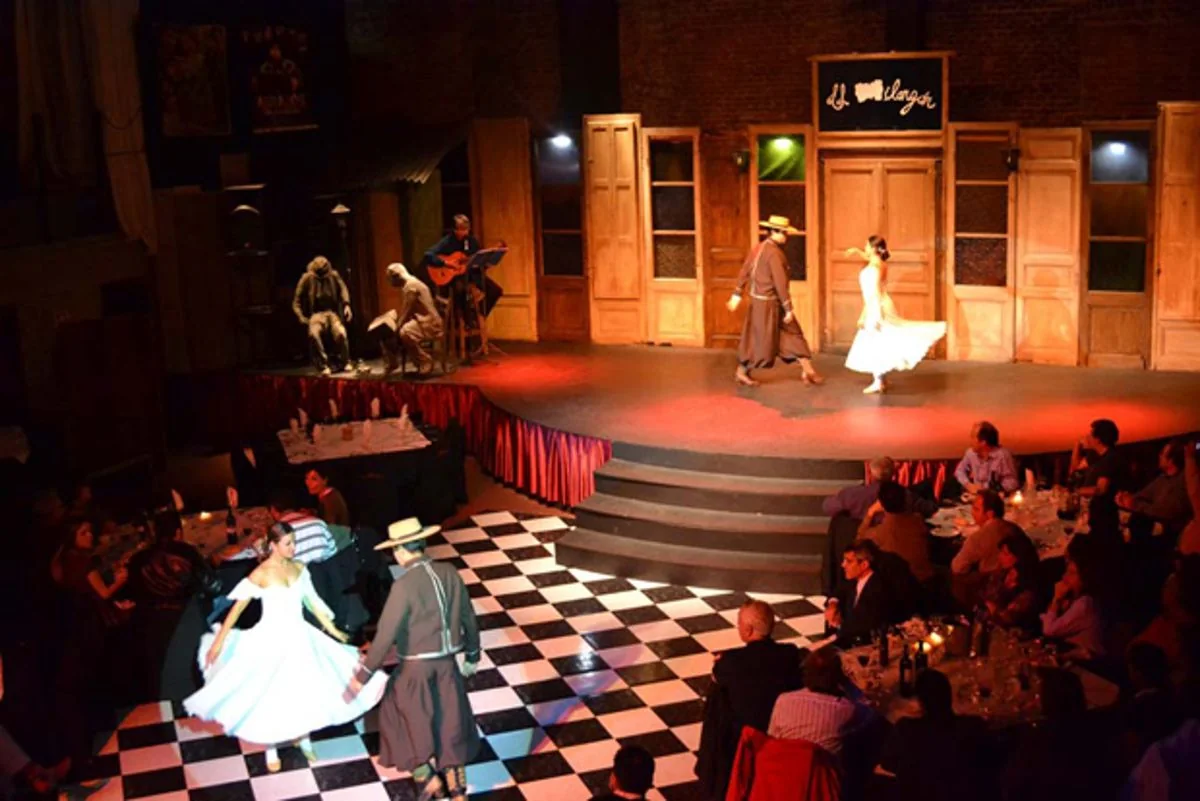
The show opens with the music of the Uruguayan countryside, the gauchos and their dances, and moves to the tango and the milonga, which Montevideo shares with Buenos Aires and claims as its own: singers, musicians and dancers in period dress, a few metres from your table.
The finale is the candombe: the three drums of the Afro-Uruguayan tradition, the dancers and the characters of the Montevideo Carnival, loud enough to feel in the chest. Then the transfer back to your hotel.
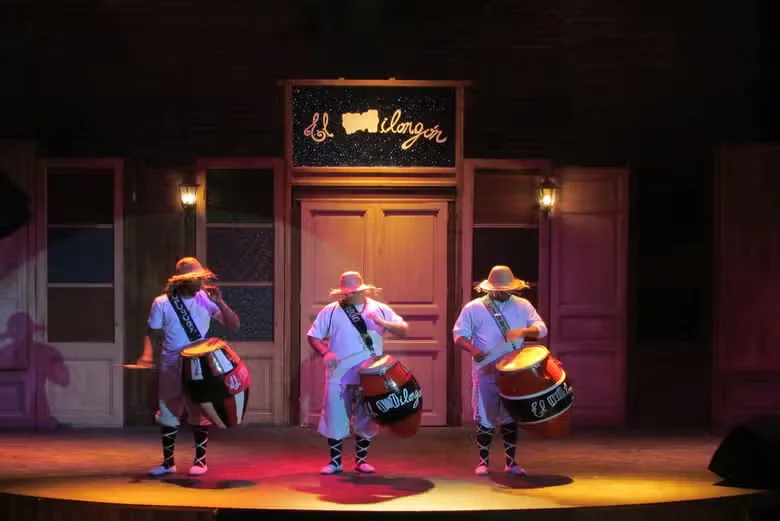
It is a sit-down dinner show, about two and a half hours from the first drink to the last drum, in a room that fills up; we book your table when we build the trip. Dress as you like: it is a restaurant night, not a formal one. Vegetarian menus are available if you tell us in advance.
The show is in Spanish with music that needs no translation; the guide on the transfer explains what you are about to see. Children are welcome. The night ends late by Uruguayan standards, around eleven, so it pairs well with a slow morning or the bike tour the next day.
No. It is an evening we add to your Uruguay trip: 01Argentina arranges the whole stay — the ferry or flights, your hotel, your transfers and your days — and this is one of the nights you can add in Montevideo. When you write, we send you the detail for your dates.
Either. The transfer runs as a regular service shared with other travellers or as a private one for your party alone. Tell us when you write and we quote it both ways. The show itself is in a shared room, as any show is.
The show is music and dance, in Spanish where there are words, and it needs no translation. The transfer is with an English-speaking guide who explains the programme on the way.
Most nights of the week, with the calendar changing by season. Tell us your dates and we confirm the night and book your table before you travel.
The tango is the same river music, born on both banks of the Rio de la Plata. What you will not see in Buenos Aires is the candombe, the drum tradition of Montevideo's Afro-Uruguayan neighbourhoods, nor the folklore of the Uruguayan countryside. If you have seen a tango show in Buenos Aires, this is the other half of the story.
Yes. We sell the evening with dinner: a welcome drink, starter, main course, dessert, wine, soft drinks and water. You sit down to eat before the show and the performance comes to you.
Tell us when you are travelling and how many days you have in Montevideo, and we will come back within 24 hours with the whole trip laid out — this extra included if it fits.

Montevideo, Colonia and Punta del Este from Buenos Aires by ferry, with hotel, transfers and the excursions.
More ›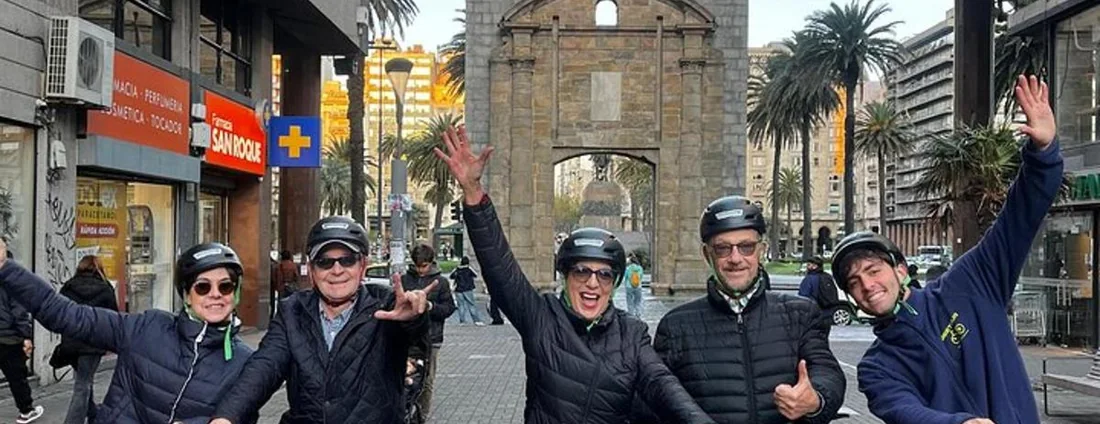
Three hours along the Rambla, the Ciudad Vieja and the Centenario Stadium, with a guide.
More ›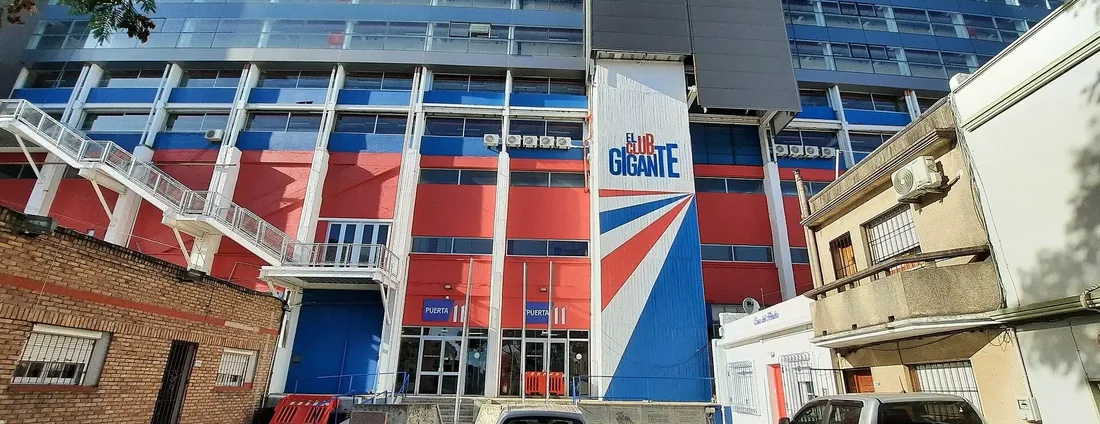
Through the tunnel onto the pitch where the first World Cup began, with transfers.
More ›