El Calafate is a town people leave at eight in the morning and come back to at six, worn out, with an evening to fill. This is what fills it: twenty kilometres east along the cliffs in a 4x4, rock paintings on the lake shore, and dinner served under a sandstone overhang with the lamps lit and the Andes going pink across the water.
Almost everything sold in El Calafate points west, at the glacier. This one turns around and goes the other way — east, into the cliffs and the steppe, where the story is about people rather than geology. It is also, conveniently, the only serious thing to do here after the sun goes down.
You leave El Calafate heading east, away from the glacier and away from the tour buses, in 4x4 vehicles because after a few kilometres there is no longer any asphalt to speak of. The route follows the shore of Lago Argentino through open steppe.
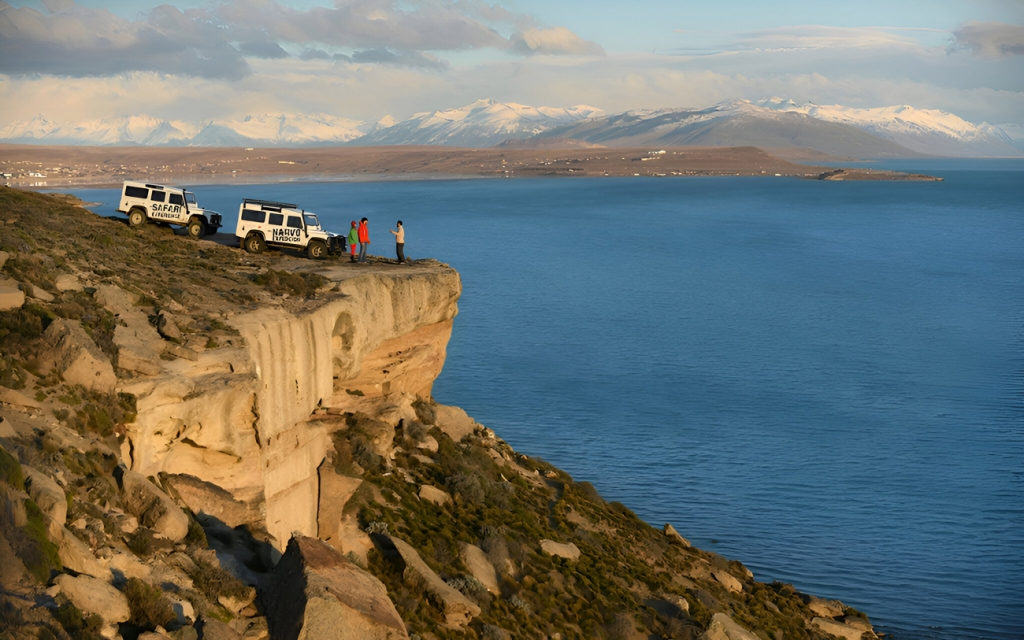
The first stop is the Mirador del Acantilado, a sandstone cliff edge with the whole lake below and the Andes stacked up on the far side. It is the view El Calafate never shows you on a postcard, because the postcards are all facing the other way.
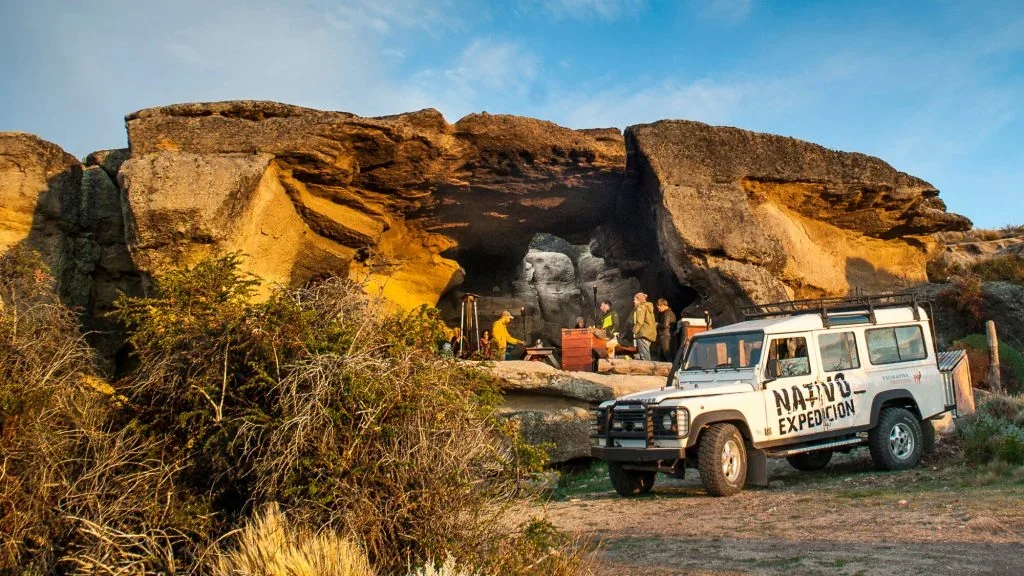
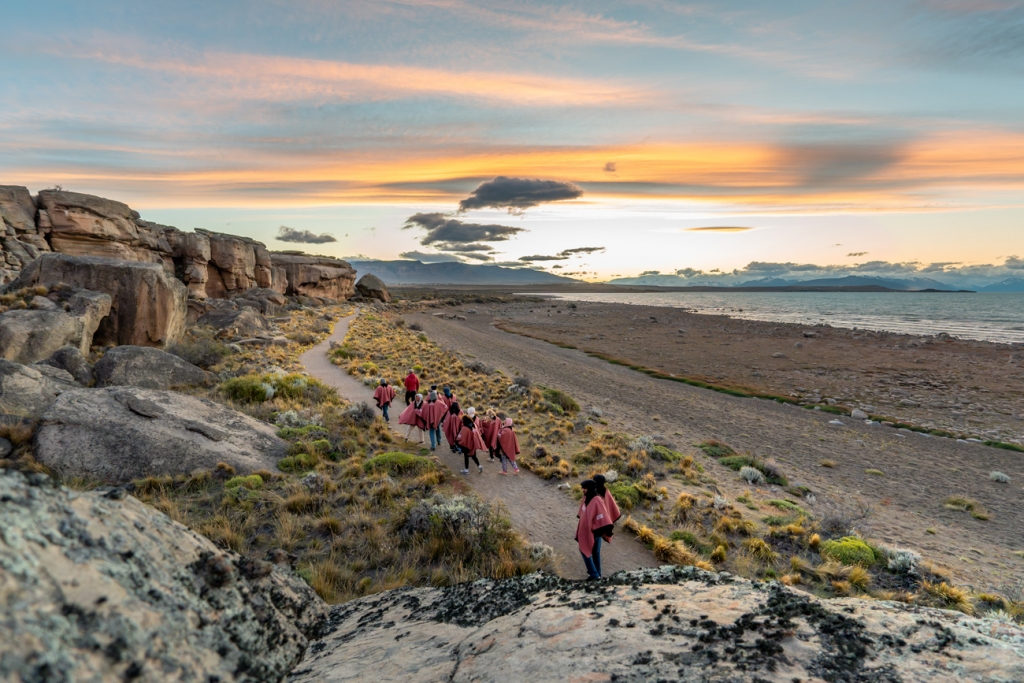
From the lookout you walk down to the water, to an archaeological site with rock paintings under the sandstone overhangs. The guides do not just point at them — the whole trip is built around reading them: what the marks meant, who left them, and how the Aonikenk (Tehuelche) lived on this exact shoreline before any of this had a name.
This eastern shore has form. It was here, in February 1877, that Perito Moreno recorded the first rock art ever described scientifically in Argentina, four days after he named the lake. You are looking at the same tradition, on the same cliffs, in the same wind.
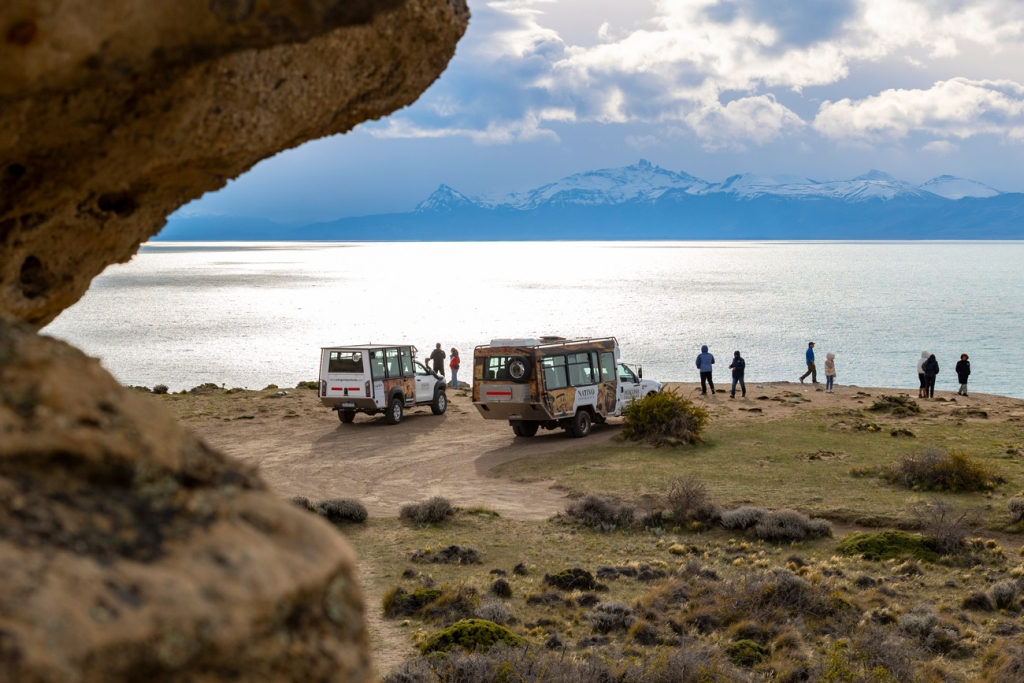
The same rock that sheltered people here for thousands of years still frames the best view on this shore.
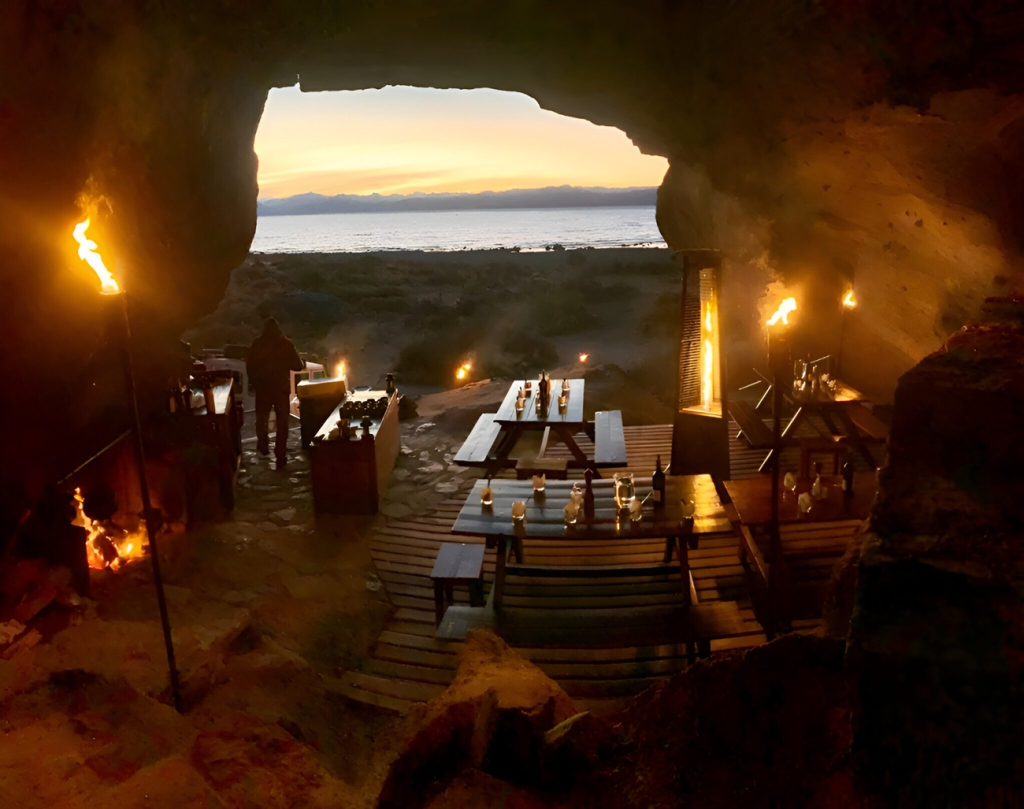
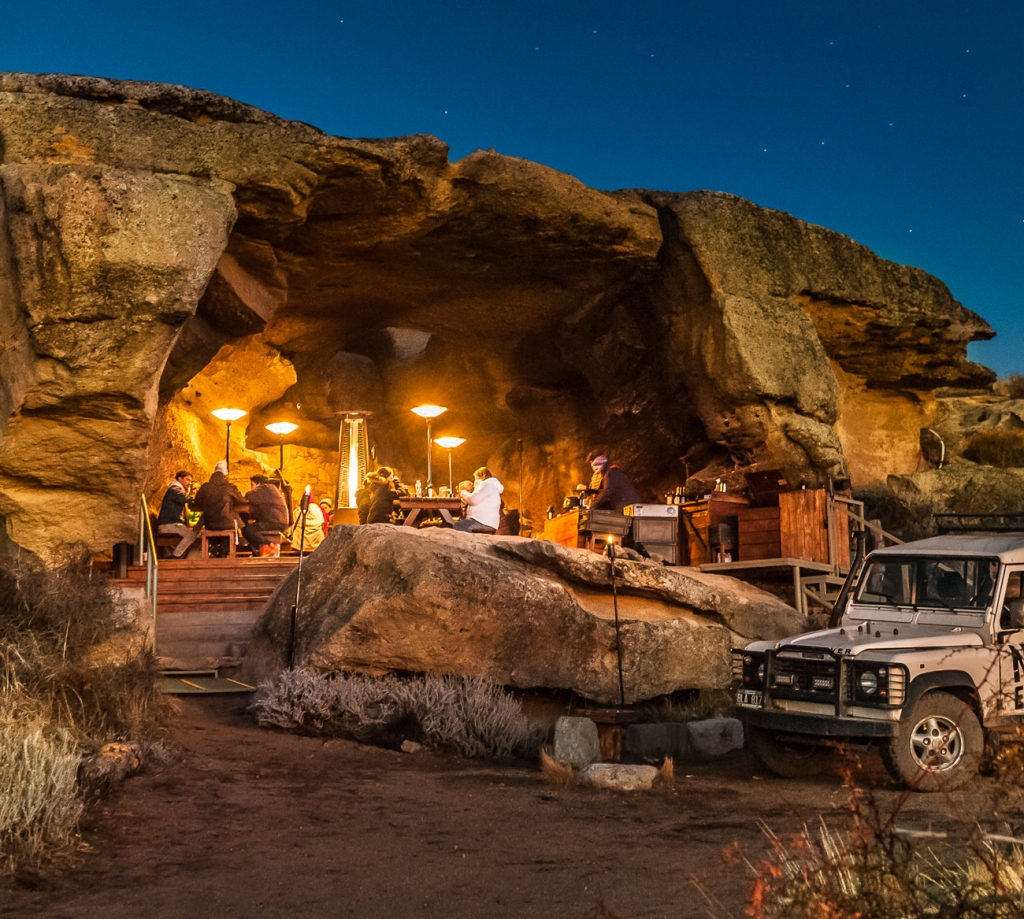
The last stop is the part nobody sees coming. You pull up at a cave in the cliffs, and inside it there is a floor, long tables, lamps and a fire going. Not a marquee dressed up as a cave — an actual wind-carved sandstone overhang, with the lake in the doorway.
The food is Patagonian and deliberately old-fashioned: pumpkin soup to start, then a lamb casserole served inside a loaf of country bread, and chocolate mousse to finish, with drinks. On the evening departures you eat as the light goes, which is when the whole thing stops being an excursion and turns into something people talk about for the rest of the trip.
We head east out of town along the shore of Lago Argentino — about 20 km, and the surface stops being a road fairly early.
A panoramic stop on the cliff edge, with the lake below and the Andes across the water.
A short walk down to the archaeological site, and a guided reading of the rock paintings under the overhangs.
Lamps, fire, long tables: pumpkin soup, lamb casserole in country bread, chocolate mousse and drinks.
Roughly three hours after you left, and normally still talking about it.
This one runs all year and morning or evening, so it fits into almost any itinerary. Tell us your dates and we'll check availability and send a free, no-obligation quote within 24 hours.
One dedicated specialist plans your whole stay — not a booking platform with a call centre.
Nearly everything in El Calafate finishes by six. This runs in the evening, ends with dinner, and takes three hours.
No closed season. In winter, when half the excursion list here shuts down, this one still goes — and the low light is arguably better.
Everything else in town points west at the ice. This looks at the people who were here first, which is a different and much rarer thing to sell.
Pumpkin soup, lamb casserole in a bread loaf, chocolate mousse. Served in a cave. It is not a boxed sandwich on a bus.
One person builds your whole Argentina itinerary and answers your emails — not a platform with a call centre.
A registered agency with two decades organising trips across Argentina.
Three hours door to door. There are morning and evening departures and the exact times shift with the season — in the winter schedule the usual slots are late morning and late afternoon, with extra departures added on demand. Tell us your dates and we'll confirm the times available.
It depends which departure you take. The morning departure ends with lunch in the cave; the afternoon and evening departures end with dinner. The menu is the same either way. If you want to eat with the light going down, take the later one.
Pumpkin soup to start, a lamb casserole served inside a loaf of country bread as the main, and chocolate mousse to finish, with drinks included. It is a set menu, cooked and served in the cave.
Tell us when you enquire and we will check what can be arranged for your date before you commit to anything. We would rather tell you honestly in advance than have you turn up to a lamb casserole you can't eat.
Difficulty is low. The driving does the distance; you walk short stretches at the lookout and down to the shore, on uneven natural ground. Comfortable closed shoes are all you need. It is not suitable for wheelchairs or for anyone with significantly reduced mobility.
Yes — it works well for families. Children under three travel free and there is a reduced rate for children aged 3 to 12. The short duration and the cave dinner tend to go down better with kids than a ten-hour glacier day.
Yes, it operates all year round, which is unusual here — several El Calafate excursions close over the winter. In winter the light is low and gold by mid-afternoon, which suits this trip particularly well.
Layers, a windproof jacket and closed walking shoes. This is open steppe on a cliff edge: the wind is constant, and once the sun drops the temperature goes with it. Even in summer, take something warm for the cave.
No — they are two different sites on the same shore, and they do different things. The Walichu caves are 8 km east of town and are usually combined with a city tour and the historical interpretation centre. This trip goes further out by 4x4, is built around the anthropological reading of the site, and ends with a meal inside a cave. Plenty of people do both; if you only do one, this is the one with dinner in it.
Yes, and it is one of the neatest combinations in El Calafate. Glacier by day, cave by night. It only takes three hours, so it slots into an evening without costing you a day of your itinerary.
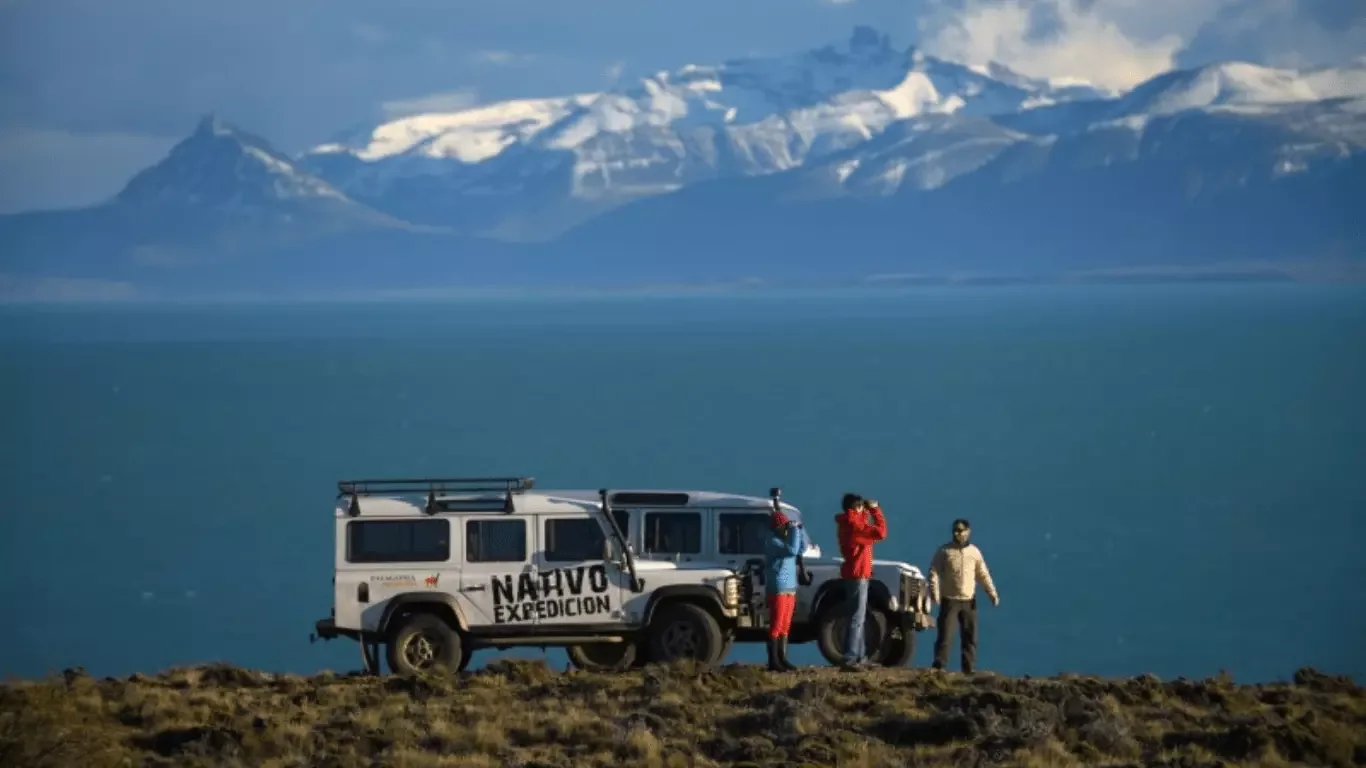
4x4 vehicles, which is not a marketing detail: the last part of the route is gravel and track, and the lookout is not somewhere a coach can get to. That is also why the groups are small.
Yes. On 24 and 31 December the afternoon and evening departures include a festive toast, which carries a supplement on top of the normal rate. Ask us when you enquire and we'll tell you exactly what it is for your date.
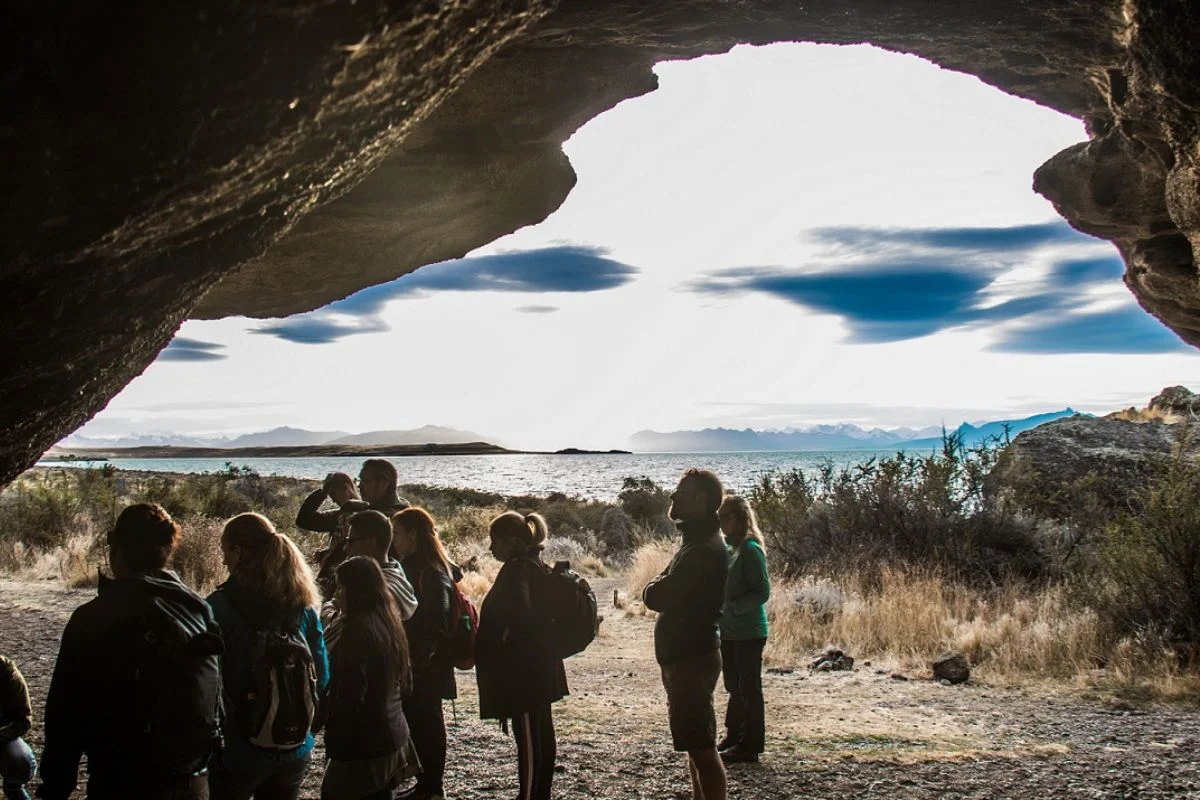
The other rock art site on this shore, plus the old town and the interpretation centre.
More information →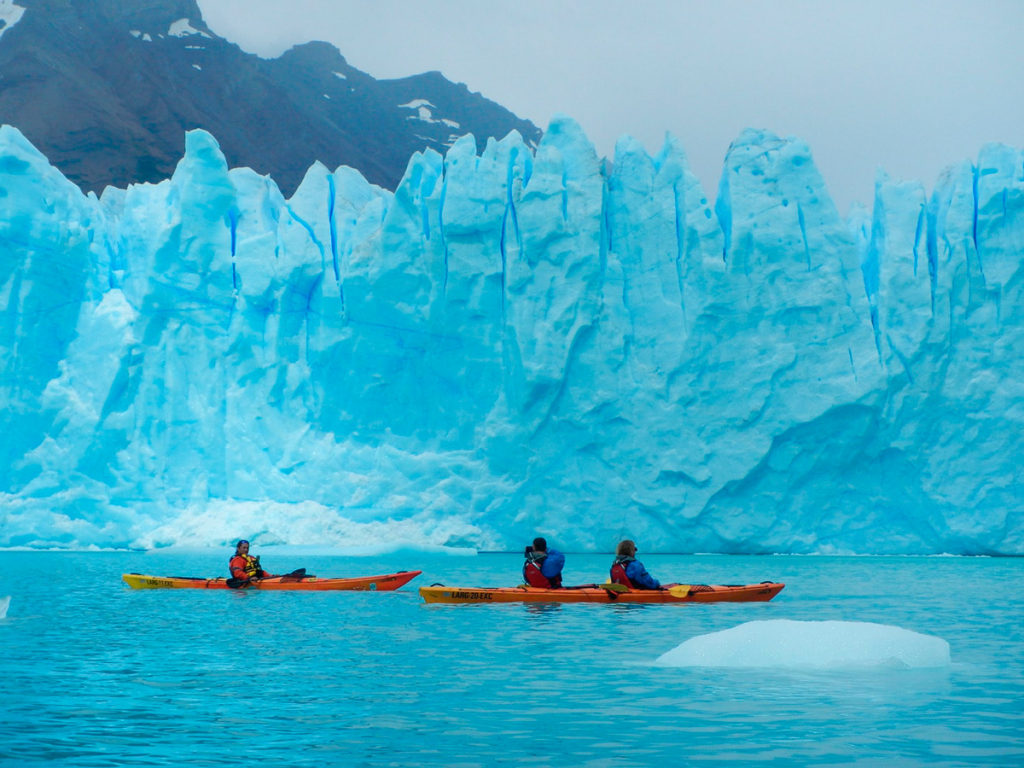
Ninety minutes in a sea kayak among the icebergs, plus two hours on the boardwalks.
More information →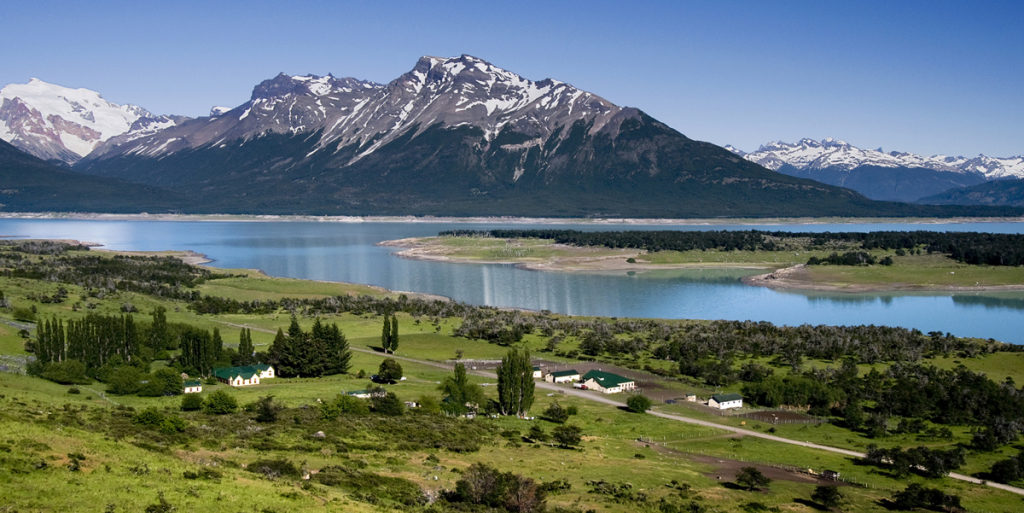
A full day at a working ranch inside the national park, with a Patagonian lamb asado.
More information →Every itinerary through El Calafate is built west. The glacier is west, the boardwalks are west, the boats leave to the west. Which means the cliffs immediately east of town — the sandstone, the rock art, the enormous empty view back across Lago Argentino — are quietly among the least visited things within twenty kilometres of a very busy tourist town.
That is the whole case for this trip. Three hours, a 4x4, and a subject nobody else in town is selling: not ice, but the people who lived on this shoreline for thousands of years and left marks on the rock to prove it. The guiding is anthropological rather than scenic, which is a polite way of saying you will come away actually knowing something.
And then dinner in a cave, which sounds like a gimmick until you are sitting in one with a bowl of lamb casserole inside a loaf of bread, watching the last light come off the Andes through the mouth of the rock. It runs all year, morning or evening. Send us your dates and we'll come back within 24 hours with a free quote.