The questions travellers send us most often before a trip to Salta and Jujuy, answered by the team that arranges the flights, the hotels and the days in the Andes. If yours is not here, write to us: we answer within 24 hours.
The dry season, April to November, with clear skies, cool nights and the best light on the mountains. December to March is the rainy summer: the landscapes are greener, but storms can cut some mountain roads for a day. The region can be visited all year.
Four days cover the classics: colonial Salta, Salinas Grandes and Purmamarca, and Cafayate, as in our Salta & Jujuy in 4 days. Five or more add the day tours to Humahuaca, Cachi and Iruya, or the Train to the Clouds. If you also want the Iguazu Falls, see Salta & Iguazu Falls.
By air from Buenos Aires, about two hours, with several flights a day; our guide meets you at Salta airport. The flights and the transfers are included in our packages.
Yes, the Andes and the jungle in one trip, with a flight between the two. See Salta & Iguazu Falls.
Hotels in the centre of Salta, from three-star colonial houses to five-star, chosen with you when we quote. See the hotels in Salta.
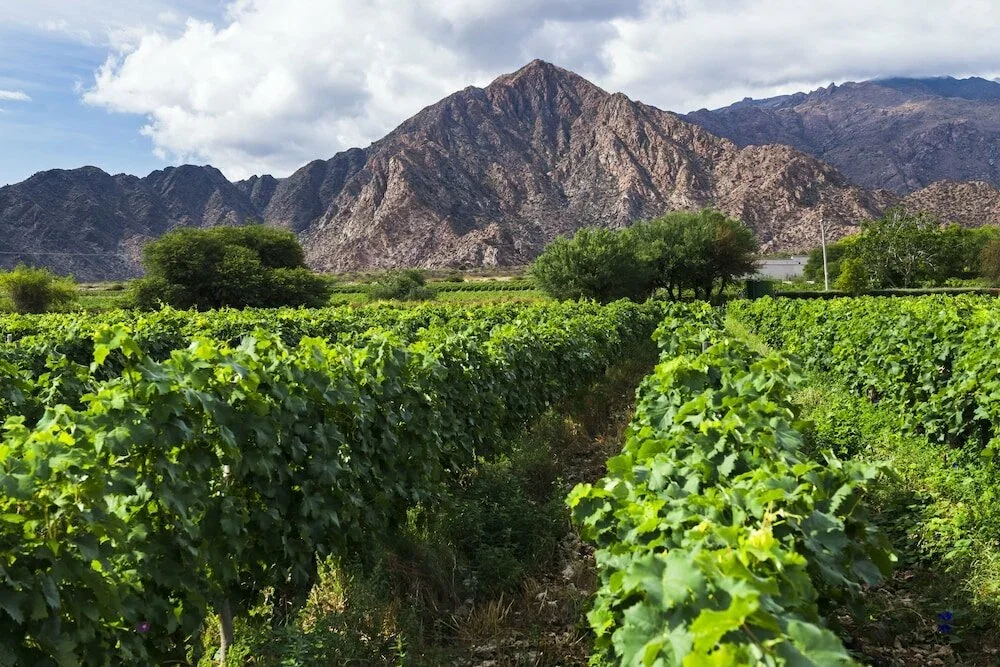
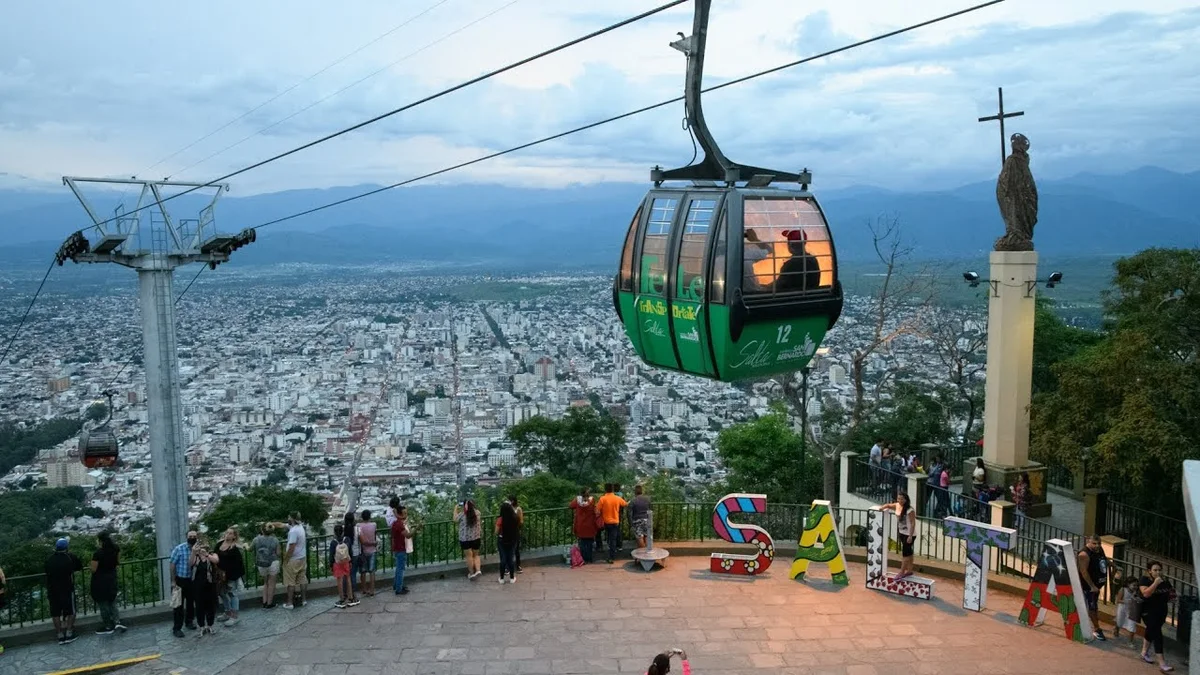
In Salta, the colonial centre, the cathedral, the San Bernardo hill and the MAAM, the museum of high-altitude archaeology. In Jujuy, Purmamarca and its Hill of Seven Colours, Tilcara and its Pucara, Humahuaca and the Salinas Grandes salt flats. To the south, the wine valley of Cafayate and the canyon of the Quebrada de las Conchas.
One of the highest railways in the world: it climbs the Quebrada del Toro to the La Polvorilla viaduct, at more than four thousand metres. It runs all year on set days, with a pause around the New Year. See Salta & the Train to the Clouds.
A newer, solar-powered train that runs along the Quebrada de Humahuaca, a UNESCO World Heritage Site, stopping at its villages. It runs only on set days, so if you would like to include it, tell us your dates and we check them before you plan around it. Purmamarca, Maimara and Tilcara are also on our Quebrada de Humahuaca day tour, by road.
Cachi, a white village at the foot of the Nevado, reached through the Cuesta del Obispo and the cactus park of Los Cardones; Iruya, a village hanging on a mountainside in Salta, reached through Jujuy; and the Hornocal, the mountain of fourteen colours near Humahuaca. See the optional tours in Salta.
A night at a peña, where folk musicians play over dinner; the high-altitude wines of Cafayate, above all the white Torrontes; the Andean villages and their markets; and the landscapes of colour and salt that exist nowhere else in Argentina.
The Carnival of the Quebrada de Humahuaca in February or March is the most famous; the region also celebrates Pachamama, Mother Earth, in August, and there are folk music festivals through the year. Tell us your dates and we tell you what is on.
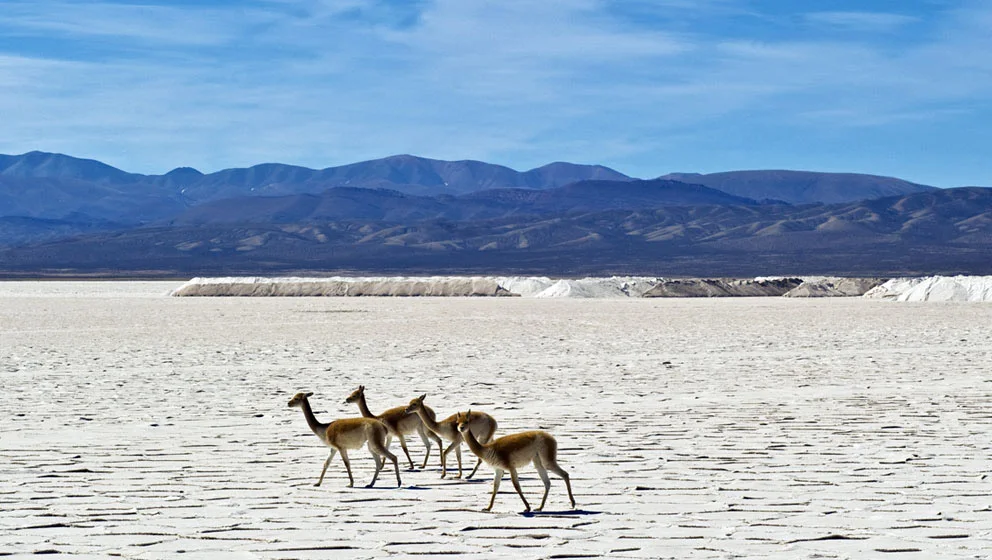
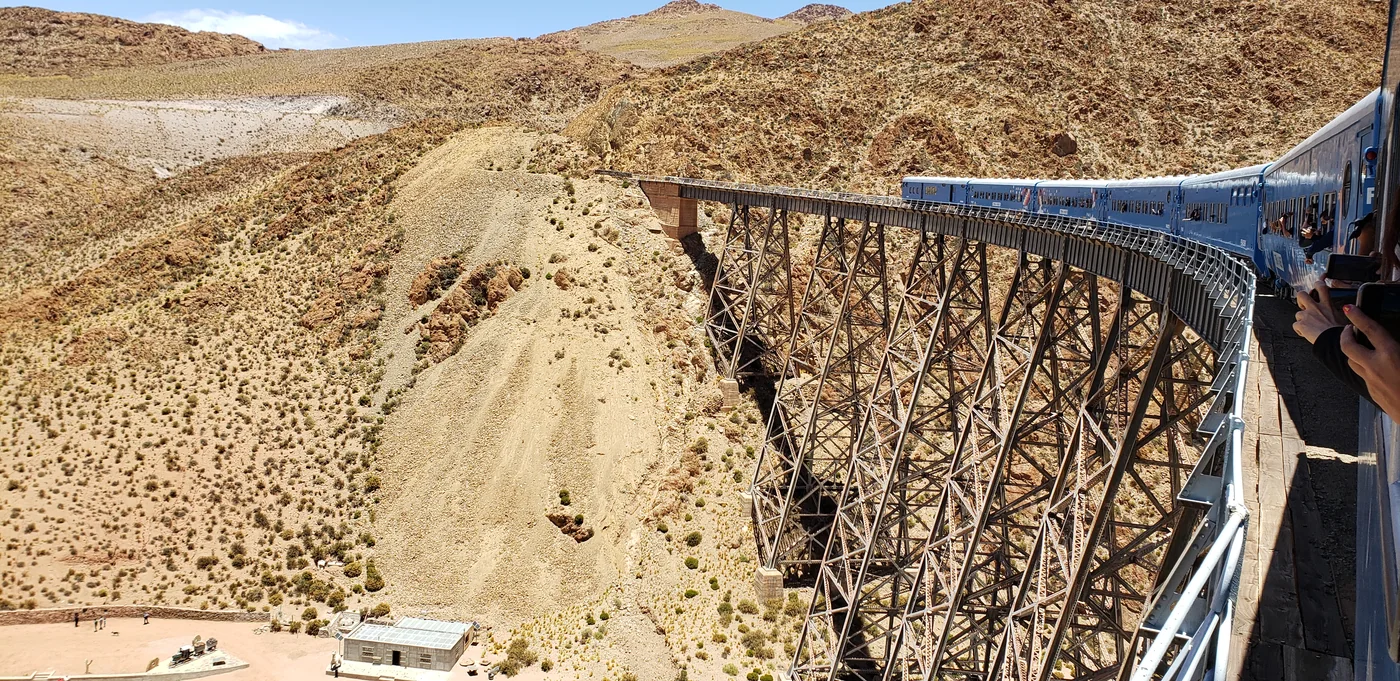
Salta itself is at about 1,200 metres, so you will not feel it there. Some day tours go much higher: the Salinas Grandes and the road there pass well above 3,000 metres, and the Train to the Clouds reaches more than 4,000. Most travellers feel only shortness of breath or a mild headache; drink water, eat lightly, walk slowly and avoid alcohol the night before. Ask your doctor if you have heart or lung conditions.
Spend your first day in Salta at its moderate altitude before the high excursions, as our itineraries do; the guides know the signs of altitude sickness. Coca leaves and coca tea are a traditional local remedy you will be offered on the way up.
Salteña empanadas, small and juicy; locro, a hearty corn and meat stew; humitas and tamales made with corn; llama meat in Jujuy; and the wines of Cafayate.
In hotels and much of the tourist trade, yes, but much less in the villages. Our excursions run with English-speaking guides, so you have someone to translate and explain throughout.
Salta and Jujuy are generally considered safe for visitors. Take the usual precautions of any city with your belongings, and on the mountain roads leave the driving to a local driver.
Layers: the days are warm and sunny and the nights cold, especially at altitude. Sunglasses, a hat and strong sun cream, because the sun at altitude burns quickly, comfortable shoes and a warm jacket for the high excursions.
No. Our packages include the transfers and the excursions with a guide and driver; the mountain roads are long and some are unpaved, so most visitors prefer not to drive.
Write to us with your dates and how many of you are travelling. We answer within 24 hours, and if you like, we send you the trip laid out and quoted as one figure.
Colonial Salta, Salinas Grandes and Purmamarca, and the wine valley of Cafayate, with flights.
More ›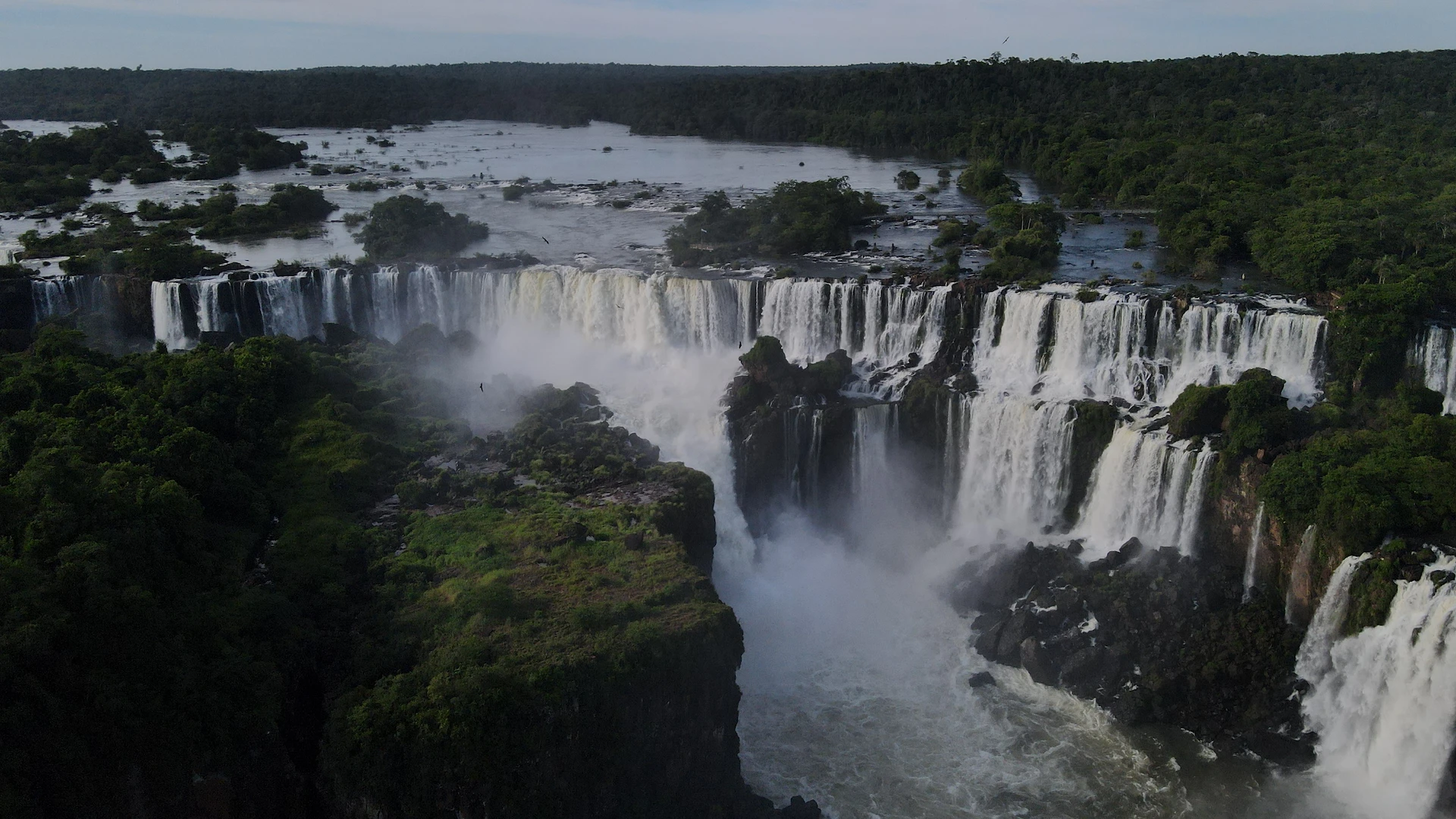
Both sides of the falls, then the direct flight to Salta for Salinas Grandes and Cafayate.
More ›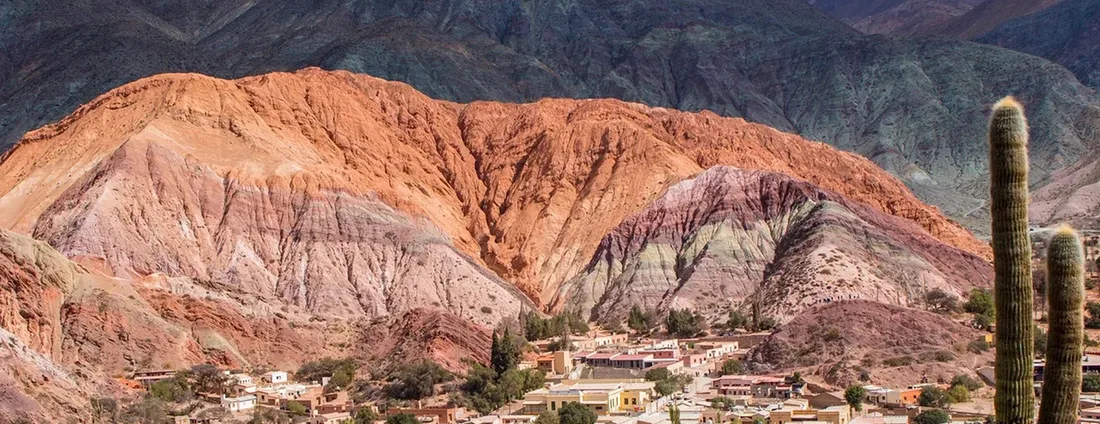
Humahuaca, Cachi, Iruya, a night of folk music and the Train to the Clouds, to add to any package.
More ›