Antarctica is closer than most travelers imagine — and for the overwhelming majority of visitors, the journey begins in Argentina. Almost every expedition cruise to the White Continent sets sail from Ushuaia, the world’s southernmost city, in Argentine Patagonia. This guide explains how a trip to Antarctica actually works from Argentina: the gateway city, the legendary Drake Passage crossing, the wildlife you will meet, where ships go ashore, and the best time of year to sail.
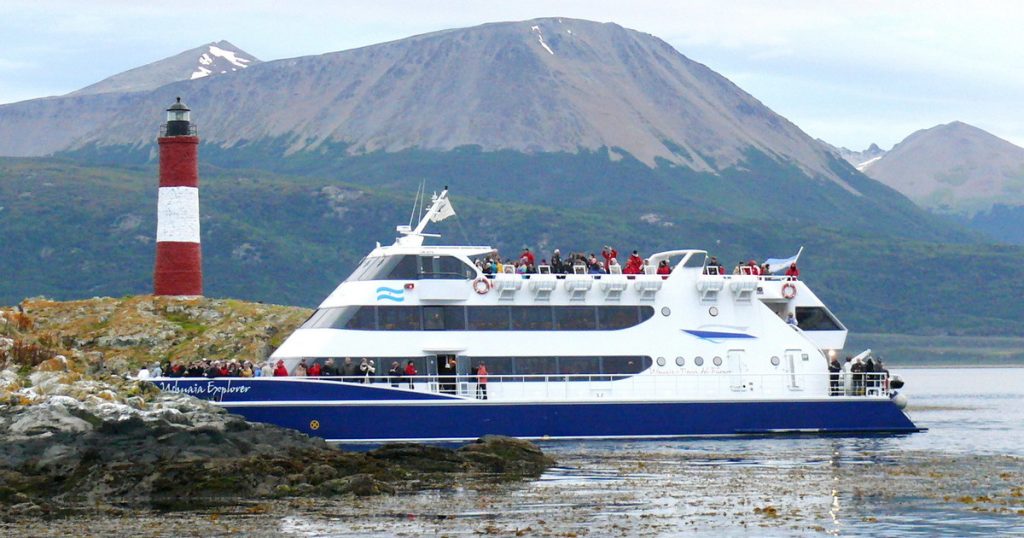
Ushuaia: the gateway to the White Continent
Ushuaia sits on the island of Tierra del Fuego, roughly 1,000 kilometers from the tip of the Antarctic Peninsula — the closest inhabited launch point to Antarctica anywhere on Earth. Most travelers fly from Buenos Aires to Ushuaia (about a three-and-a-half hour flight), spend a night in this mountain-ringed port town, and then embark. Ships leave the harbour in the afternoon and sail down the scenic Beagle Channel before turning south into open water. Because Ushuaia is the hub, it is easy to combine your voyage with a few days exploring the glaciers and lakes of Patagonia before or after your crossing.
Crossing the Drake Passage
The stretch of ocean between Cape Horn and the Antarctic Peninsula is the famous Drake Passage, named after the explorer Sir Francis Drake. Most itineraries spend about two days crossing it in each direction. This is also the Antarctic Convergence, where cold polar water sinks beneath warmer northern water and creates an upwelling of nutrients that draws an extraordinary amount of marine life. Expedition staff spend these days on deck helping passengers identify albatrosses and other seabirds gliding in the ship’s wake, and most vessels keep an open-bridge policy so you can watch for whales alongside the officers. Expedition ships have reinforced or ice-strengthened hulls; if you would rather skip the open-water crossing, some operators offer fly-cruise options that fly you directly to the South Shetland Islands and begin the voyage there.
Wildlife: penguins, seals and whales
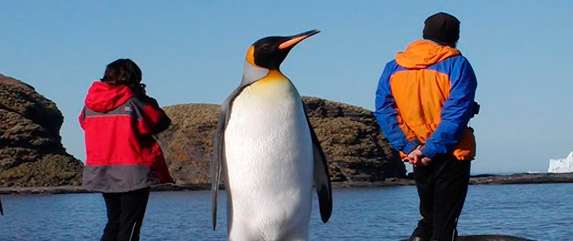
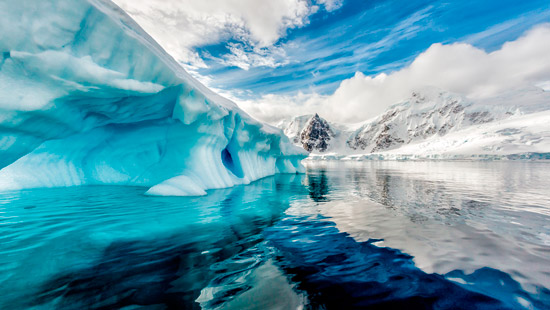
Wildlife is the reason most people travel to Antarctica, and the density of it is hard to overstate. Vast rookeries of Gentoo, Adélie and Chinstrap penguins nest along the peninsula and the islands, with Macaroni penguins in a few colonies. Beaches are ruled by Antarctic fur seals and enormous southern elephant seals, while Weddell, crabeater and leopard seals haul out on the ice. In the water you have an excellent chance of seeing Minke, humpback and killer (orca) whales at close range, especially later in the season. Overhead you will spot blue-eyed cormorants, kelp gulls, Antarctic terns, giant petrels and, out over the Drake, several species of albatross.
Where ships go ashore: South Shetlands and the Peninsula
The first land you reach is usually the South Shetland Islands. Highlights here include sailing into the flooded volcanic caldera of Deception Island, where you can walk a black-sand beach beside old whaling ruins, and King George and Livingston Islands with their mixed penguin colonies and international research bases. From there ships continue to the Antarctic Peninsula itself. Landings are made by Zodiac inflatable boats, typically twice a day, and the exact sites depend on ice and weather.
- Paradise Bay — one of the most beautiful anchorages in Antarctica and a chance to set foot on the continent proper.
- Paulet Island — a huge Adélie penguin colony surrounding the stone ruins of a 1903 survival hut.
- Neko Harbour and Cuverville Island — classic glacier scenery and busy Gentoo rookeries.
- Lemaire, Neumayer and Gerlache channels — narrow passages between towering rock walls and spectacular glaciers.
Best time to visit Antarctica
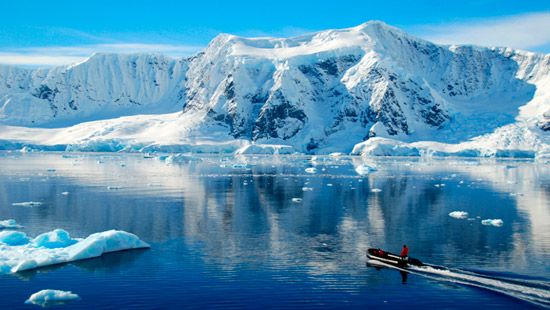
The Antarctic travel season runs through the austral summer, from late October to late March; ships do not operate outside these months. Each part of the season has its own character. Early departures reward you with pristine snow, dramatic pack ice and penguins pairing up and building nests. The middle of the season brings the warmest temperatures, the longest daylight and the first fluffy penguin chicks. Late-season voyages offer the best whale watching and the liveliest colonies as chicks grow and fledge. There is no wrong time to go — only different experiences.
How long do you need?
A classic Antarctic Peninsula voyage runs about ten to eleven days at sea, which works out to roughly two weeks from the day you arrive in Buenos Aires to the day you fly home, once you add the connections through Ushuaia. Travelers with more time can choose longer expeditions that also take in South Georgia and the Falkland Islands — unforgettable for their king penguin colonies and albatross rookeries — or venture into the Weddell Sea. Vessels range from intimate expedition ships carrying 30 to 100 guests to larger cruisers, and the smaller the ship, the more landings you are generally able to make.
Planning your Antarctic voyage
Antarctica has a short season and a limited number of berths, so the best ships and cabins are reserved far in advance. As a local Argentine agency based just a short flight from Ushuaia, and an official representative of the major cruise lines operating from Argentina, we help you match the right vessel, cabin category and itinerary to how you want to travel — from comfortable expedition cruising to genuinely luxury voyages. You can browse our Antarctica cruises departing from Ushuaia for current departures, ships and routes.
Antarctica is a genuine once-in-a-lifetime destination, and getting the details right — the ship, the timing and the connections through Patagonia — makes all the difference. Our bilingual team can build the entire trip around your dates, with fast confirmation and support by WhatsApp before and during your voyage. Plan your Antarctica cruise from Buenos Aires and Ushuaia at www.01argentina.tours.