Click here to Book tours to Buenos Aires . Vacation packages to Buenos Aires
Click here to Book tours to Buenos Aires . Vacation packages to Buenos Aires
|
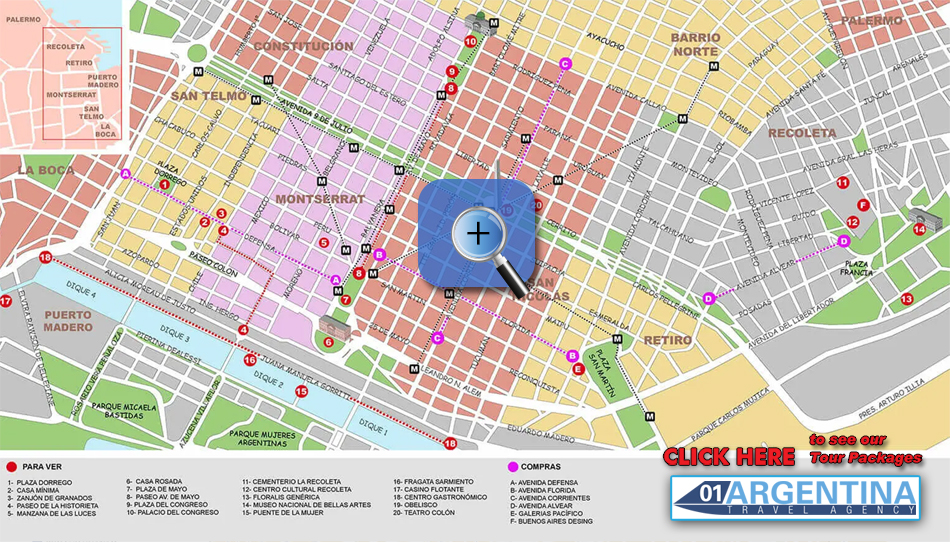
Exploring the Vibrant Tapestry of Buenos Aires Tourism Buenos Aires, often referred to as the "Paris of South America," is a city that captivates visitors with its unique blend of European elegance, Latin American flair, and rich cultural heritage. As the capital of Argentina and its largest city, Buenos Aires is a bustling metropolis that offers a wide range of experiences for travelers. 1. The Dance of Tango One cannot talk about Buenos Aires without mentioning the tango, the city's signature dance. Buenos Aires is the birthplace of this passionate and dramatic dance, and it's impossible to visit without being enchanted by its seductive rhythms. Tango shows and dance halls, known as milongas, can be found throughout the city, allowing visitors to witness this art form firsthand. 2. Neighborhood Exploration Buenos Aires is a city of diverse neighborhoods, each with its own personality and charm. Recoleta, with its elegant architecture and famous cemetery, is a must-visit for history and art lovers. In contrast, the colorful and vibrant neighborhood of La Boca is known for its soccer culture and the iconic Caminito street. Palermo offers trendy boutiques, hip cafes, and beautiful parks, making it a favorite among the younger crowd. 3. Cultural Enrichment The city is a hub of culture and creativity, boasting numerous museums, theaters, and art galleries. The Museo Nacional de Bellas Artes houses an extensive collection of European and Latin American art, while the Teatro Colón is renowned for its world-class opera and ballet performances. 4. Gastronomic Delights Buenos Aires is a paradise for food enthusiasts. Argentine cuisine is famous for its succulent steaks, and the city's parrillas (steakhouses) are legendary. Don't miss the chance to savor a perfectly cooked Argentine steak accompanied by a glass of Malbec wine. For a taste of local street food, try empanadas and choripán (sausage sandwich) from street vendors. 5. Parks and Green Spaces Despite its urban hustle and bustle, Buenos Aires offers plenty of green spaces for relaxation and recreation. The sprawling Bosques de Palermo (Palermo Woods) is a favorite spot for picnics, jogging, and paddle boating on the tranquil lakes. The Jardín Japonés (Japanese Garden) is a serene oasis featuring traditional Japanese architecture and lush gardens. 6. Historical Landmarks Buenos Aires is steeped in history, and you can explore its past through its many landmarks. The iconic Obelisco, located on Avenida 9 de Julio, is a symbol of the city and offers panoramic views from the top. The Casa Rosada, the presidential palace, is known for its distinctive pink façade and is open for guided tours. 7. Shopping and Fashion If you're a shopaholic, Buenos Aires won't disappoint. The city is known for its fashion, and neighborhoods like Palermo Soho and Recoleta are home to chic boutiques, designer stores, and artisan markets. You can find unique clothing, leather goods, and handcrafted items. 8. Festivals and Events Throughout the year, Buenos Aires hosts a variety of festivals and events that showcase its vibrant culture. The Buenos Aires International Festival of Independent Cinema (BAFICI), the Tango Buenos Aires Festival, and the Buenos Aires Fashion Week are just a few examples of the city's diverse calendar of events. 9. Warm Hospitality One of the most enduring memories for travelers to Buenos Aires is the warmth and hospitality of the people. Porteños, as the city's residents are called, are known for their friendliness and enthusiasm in sharing their culture with visitors. Don't be surprised if you find yourself engaged in a lively conversation about soccer or tango with a local. In conclusion, Buenos Aires is a city that effortlessly blends old-world charm with modern vibrancy. From the passionate rhythms of tango to the rich flavors of Argentine cuisine, from historical landmarks to trendy neighborhoods, Buenos Aires offers a tapestry of experiences that will leave every traveler with lasting memories of this enchanting city. Whether you're a culture enthusiast, a foodie, or simply looking to immerse yourself in the lively spirit of Argentina, Buenos Aires is a destination that promises to delight and inspire. 10. Nightlife and Entertainment Buenos Aires truly comes alive after the sun sets. The city is renowned for its vibrant nightlife, with a plethora of bars, clubs, and live music venues to choose from. You can dance the night away to electronic beats in Palermo, savor cocktails in upscale speakeasies, or enjoy live music performances featuring various genres, from rock to traditional Argentine folk. 11. Street Art and Murals Buenos Aires is also celebrated for its street art scene, with colorful murals adorning many neighborhoods. Artists from around the world have left their mark on the city's walls, turning streets into open-air galleries. Take a guided street art tour to discover the stories and meanings behind these captivating artworks. 12. Day Trips and Excursions While Buenos Aires itself offers an abundance of attractions, it's also an excellent base for day trips and excursions. You can visit the picturesque Tigre Delta, explore the historic town of San Isidro, or take a ferry to Colonia del Sacramento, Uruguay, for a taste of colonial charm. 13. Language and Learning For those interested in learning Spanish or improving their language skills, Buenos Aires is an ideal destination. The city boasts numerous language schools and immersive programs, allowing travelers to not only explore the city but also become more proficient in the language of tango. 14. Accessibility Buenos Aires is a well-connected city with two major airports, Ezeiza International Airport and Jorge Newbery Airport, making it easily accessible from international destinations. The city's efficient subway and bus systems, along with affordable taxis and rideshare services, ensure convenient transportation within the city. 15. A City of Contrasts Buenos Aires is a city of contrasts, where the modern coexists with the historic, and the cosmopolitan blends with the traditional. Its dynamic energy, rich culture, and warm hospitality make it a destination that appeals to a wide range of travelers, from solo adventurers to families and couples seeking a romantic getaway. In conclusion, Buenos Aires is a multifaceted gem that promises something for everyone. Whether you're drawn to its passionate dance, its flavorful cuisine, its vibrant arts scene, or its rich history, the city will enchant you with its diverse offerings. A visit to Buenos Aires is not just a journey to a destination; it's an immersion in a way of life that celebrates the beauty of living in the moment and embracing all that life has to offer. Buenos Aires Map, Buenos Aires Map, Buenos Aires Map, Buenos Aires Map, |